Alcolumbre is trying to reach an agreement to vote on the legalization of bingo and casinos in the coming weeks.
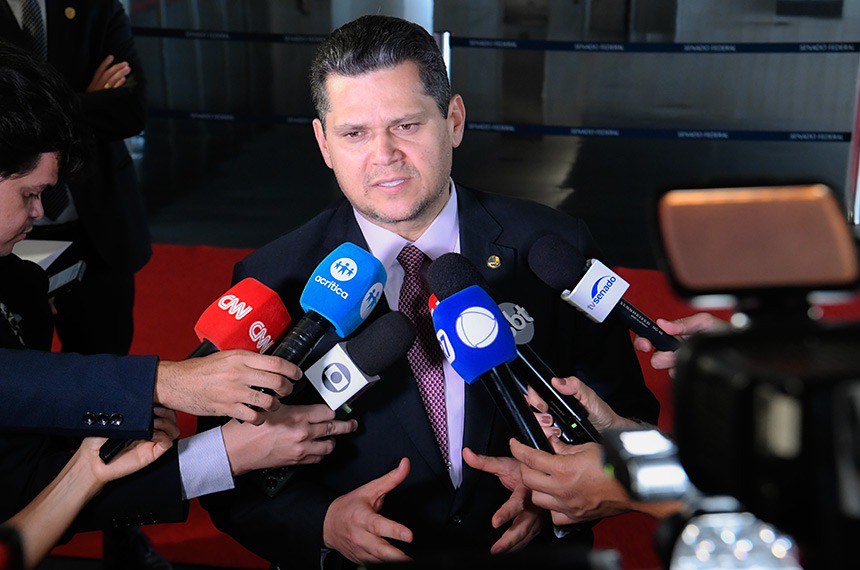
The president of the Senate, Davi Alcolumbre (União-AP), is trying to reach an agreement to put to a vote in the plenary the bill that legalizes gambling, such as bingo, casinos, and the jogo do bicho (a type of lottery). He told interlocutors that he wants the issue analyzed this semester and that he has been trying to convince party leaders to reach an agreement on this matter, reveals a report by O Globo.
On the other hand, according to Alcolumbre's allies, even with his desire to move forward with the project, an agreement with the parties has not yet been reached and needs to be built. The initiative still faces resistance from some opposition parties, such as the PL, and from the evangelical caucus in Congress, which is mobilizing against its approval.
If approved by the Senate without changes to the text that came from the Chamber of Deputies, the bill will go to President Luiz Inácio Lula da Silva for his signature or veto.
The bill's rapporteur is Senator Irajá Abreu (PSD-TO), and the measure has the support of centrist parties such as PP and União Brasil. It also has support from parts of the government, such as the Ministry of Tourism. Parliamentarians in favor of the bill say the text would help the government by allowing for increased revenue through the regulation of gambling.
The text passed through the Chamber in February 2022 and benefited from the personal commitment of the then president of the House, Arthur Lira (PP-AL), for its approval. It was approved by the Senate's CCJ in June of last year, also with the commitment of Alcolumbre, who at the time was the president of the committee.
When it was approved by the CCJ, the project had the endorsement of Senator Rogério Carvalho (PT-SE), who is now the party leader.
The bill regulates casinos integrated into resorts. According to the text, gambling establishments may operate on maritime and river vessels, which will follow specific rules. Casinos must demonstrate a minimum share capital of R$ 100 million.
Casino licenses are valid for thirty years and must be integrated into leisure complexes with hotel activities, such as resorts, or on ships.
The project also allows bingo to be held on a permanent basis only in bingo halls, or in football stadiums, with occasional bingo games being prohibited, except if held by philanthropic entities.