Behind the scenes at the PT (Workers' Party), sources point to the ban on betting as a mistake that cost Lula dearly in the first round.
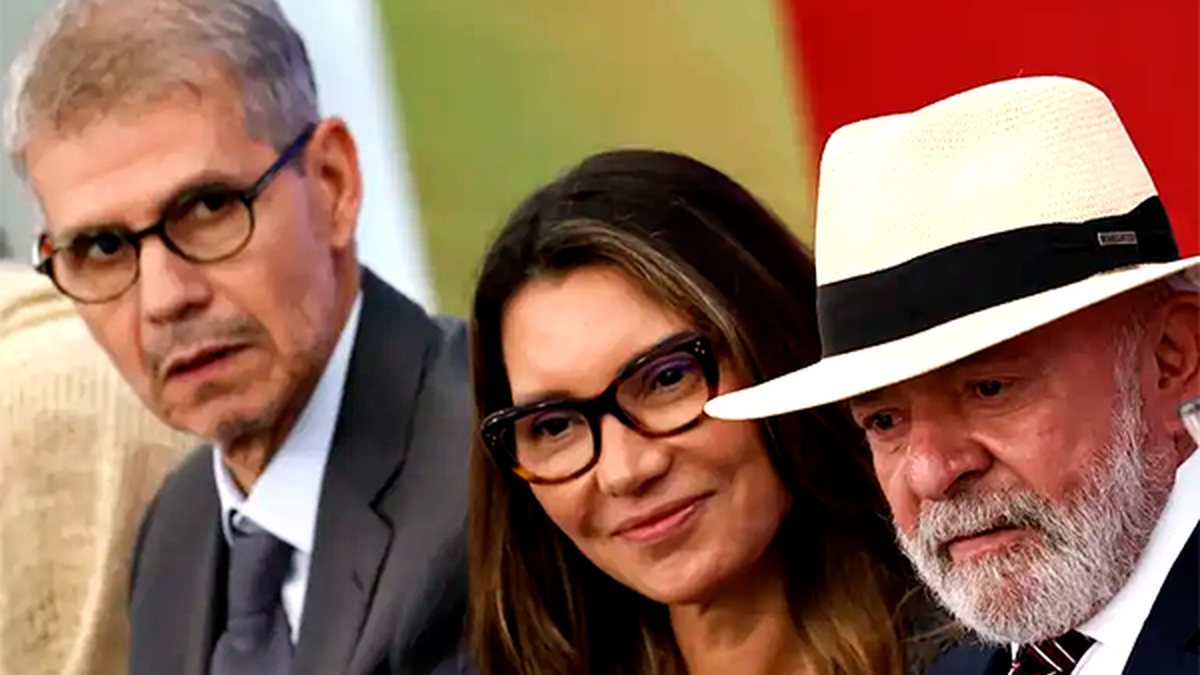
The ban on online betting, announced by the government on the eve of the first round, has entered the inventory of errors that the PT leadership attributes to President Luiz Inácio Lula da Silva's campaign. On Monday night (5), the Painel column of Folha de S.Paulo reported that campaign members believe that the betting MP may have been a "shot in the foot". O Globo had already registered a similar assessment. Reports from Estadão, Folha and CNN Brasil published on the same day point to the culprit: the decision was taken at the insistence of the Minister of Social Communication, Sidônio Palmeira, and is now treated internally as one of the mistakes that helped Senator Flávio Bolsonaro reach the second round ahead of Lula.
According to Estadão, PT (Workers' Party) leaders blame Sidônio for convincing Lula to ban all betting in the country. The PT president and campaign coordinator, Edinho Silva, and the Ministry of Finance were against it. The argument was that such a radical and hasty measure would affect federal revenue and push part of the electorate towards the opponent. The original proposal only foresaw the prohibition of online casinos, such as the "Jogo do Tigrinho" (a popular Brazilian lottery game). When contacted by the newspaper, the minister did not comment.
Folha reports that Edinho and Sidônio had a heated discussion on the subject and spent at least a week without meeting in the final stretch of the campaign. CNN Brasil reports that the president of the PT advocated a gradual exit, via Congress, and that the news of the end of the bets ended up sharing space with the news of Sidônio's victory over Edinho.
Criticism also in the business world.
The negative assessment was not limited to the party. In an interview with Folha, the president of the board of Esfera Brasil, João Camargo, stated that the way the government handled the ban was "horrible" and criticized the interruption of betting in the final stages of the championships. According to him, the measures taken at the end of the season showed that voters perceived the electoral use of the presidential pen.
Campaign blames influencers
According to the Panel, the assessment was made at Lula's meeting with supporters in Brasília this Monday. The government has not yet commissioned a survey to measure the impact of the measure on voters, but the perception within the campaign is that the actions of influencers defending betting houses were decisive in reducing support for the ban. The column recalls that Lula decided to end betting after surveys showed that a majority of the population favored the measure, given the high levels of debt.
A shift in communication.
The day after the first round of voting, Lula met with campaign coordinators and allies and, according to Estadão, ordered a "change of everything" to appeal to young people, women, and centrist voters. The PT is discussing a partnership with marketing strategist Otávio Antunes, creator of the "BBB taxation" campaign (billionaires, banks, and bets).
Who celebrated the “historic day”?
The Workers' Party's inventory focuses the blame on Sidônio, but pressure to end gambling also came from outside the government. In June, the 342 Artes collective, led by producer Paula Lavigne, launched the "Block no Tigrinho" campaign. On September 1st, she participated in a meeting at the Planalto Palace convened by Lula to discuss the impacts of gambling, a meeting that included First Lady Janja da Silva among its organizers. On that occasion, Paula asked the president to end "this horror" in Brazil.
On the day Provisional Measure 1.394/2026 was signed, on September 25th, the production company celebrated the ban on social media, calling the date "a historic day" and crediting the result to the mobilization of progressive groups on the internet.
BNLData warned of the risk.
The reports confirm what BNLData pointed out before the issuance of the Provisional Measure. On September 19th, in the analysis " Bets in Lula's sights: the Guarulhos speech and the political cost of a ban ," the portal noted that the president's escalation exposed the government to economic, legal, and electoral risks that had not yet been resolved. The government relied on polls showing rejection of betting and disregarded recreational bettors, football clubs, the opposition's discourse, and influencers, whose weight the campaign itself now acknowledges. Flávio Bolsonaro classified the measure as electioneering and said he would maintain sports betting.
"Artists don't give votes. But they take them away."
In 2022, Caetano Veloso recorded a video in support of Lula in which he attributed a maxim of Brazilian politics to Leonel Brizola: "Brizola used to say that artists don't give votes. But they take them away." At the time, the phrase served to undermine Ciro Gomes' candidacy.
Four years later, the maxim is once again haunting the Planalto Palace, now against Lula himself. It was the collective led by Caetano's wife that helped bring the issue to the president and celebrated the signing of the decree. Ten days after the provisional measure, Lula reached the second round behind Flávio Bolsonaro. If Brizola was right, the artists' movement may have cost the president the votes he lacked in the first round, and perhaps will cost him re-election.
While the Workers' Party (PT) searches for scapegoats, the provisional measure remains in effect, the regulated market is paralyzed, and Direct Actions of Unconstitutionality (ADIs) 8024, 8027, and 8028 await a decision from Minister Luiz Fux at the Supreme Federal Court (STF).