The creation of a municipal lottery is being debated in the Aracaju City Council.
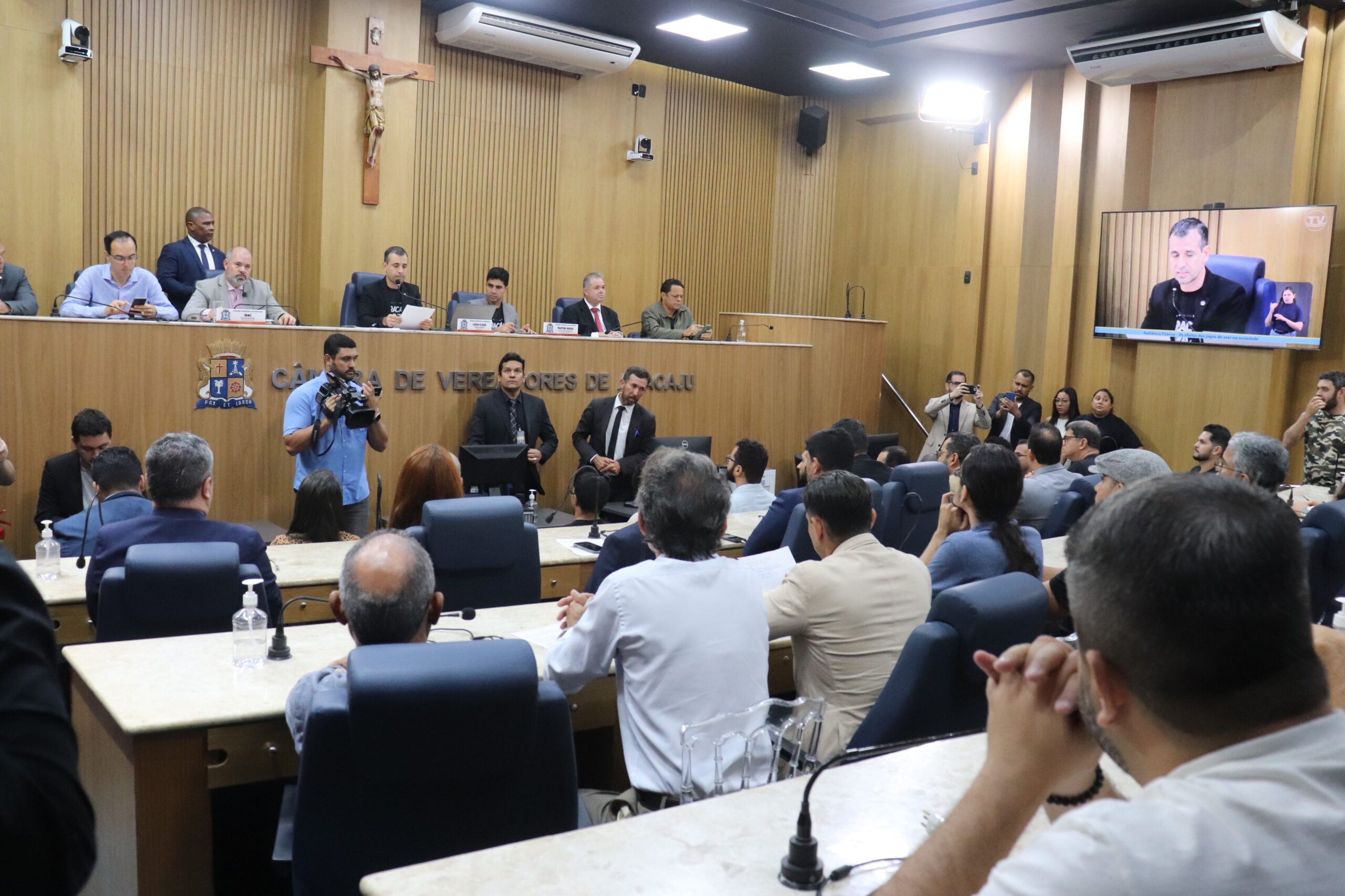
The creation of the Aracaju Municipal Lottery (LOCAJU) was debated this Friday (6) in the Aracaju City Council. The Bill, which was voted on May 8, in the first discussion, had 14 votes in favor, four against and four abstentions.
The public hearing was attended by representatives from entities such as Fecomércio, the Association of Christian Leaders and companies, and the Association of Catholic Jurists of Aracaju. The debate was an initiative of councilman Lúcio Flávio, from the PL party and deputy leader of the mayor's office in the council, who has expressed opposition to the Bill, authored by the party's leader, councilman Isac Silveira.
The creation of the Aracaju Municipal Lottery (LOCAJU) had the declared support of councilman Rodrigo Fontes (PSB).
Rodrigo highlighted that the proposal is based on a recent decision by the Supreme Federal Court (STF), which allows states and municipalities to also operate lotteries. “The STF ended the Union's monopoly. Now, the resources generated by this lottery no longer go abroad—they stay here, become public policy, and reach those who need it most. The only difference is that, instead of playing the federal lottery, citizens bet on their city's lottery, and the money returns to the city,” the congressman stated.
The bill establishing LOCAJU proposes the creation of an autonomous agency or public company responsible for operating the lottery, with rules inspired by the federal model, but under municipal management. During the hearing, the author of the proposal, Isac Silveira, emphasized the innovative nature of the measure. “This is a dispute over resources. The State has already taken action, and municipalities also have this right. We are talking about a legal, transparent lottery, focused on the public interest and social justice,” he said.
The hearing was marked by extensive debate, bringing together experts, representatives of civil society, and citizens with positions both for and against the project.
The LOCAJU proposal has already been approved in its first vote and will now proceed to final analysis in the Chamber's plenary session. According to Rodrigo Fontes, the measure represents a strategic opportunity to expand the municipal budget without raising taxes. “We are not talking about encouraging addiction or trivializing gambling. We are talking about using a legal instrument to strengthen amateur sports, culture, social assistance, and so many areas in need of investment. I am fully committed to this endeavor,” he concluded.
On social media, councilman Lúcio Flávio launched a campaign against the municipal lottery with the hashtag #AracajuWithoutGambling. “The people of Aracaju don't need more gambling. Everyone knows someone who is having problems because of betting. We can't ignore this. We can't turn a blind eye. We can't pretend we don't see it. We can't wash our hands of it,” said the councilman.
The bill that establishes LOCAJU proposes the creation of an autonomous agency or public company responsible for operating the lottery, with rules inspired by the federal model, but with municipal management.
“This is a dispute over resources. The state has already taken action, and the municipalities also have this right. We are talking about a legal, transparent lottery, focused on the public interest and social justice,” said the author of the proposal, Isac Silveira of União Brasil.
Through social media, the Archdiocese of Aracaju expressed its opposition to the creation of the municipal lottery, following the position of the National Conference of Bishops of Brazil (CNBB), which opposes the legalization of gambling.