
The gaming industry: the advantages of legalization and the drawbacks of prohibition.
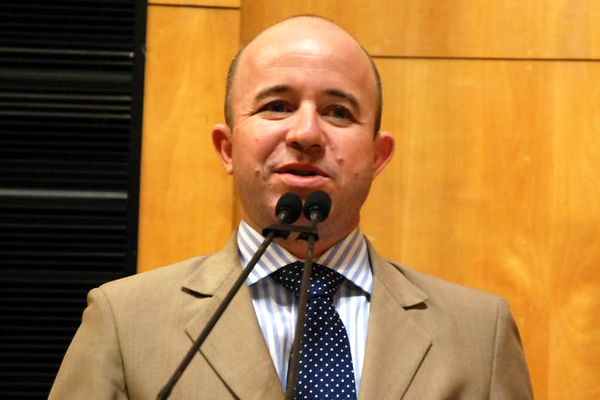
In September 2020, I had the opportunity to give an interview to a website specializing in the gaming industry. The topic of the conversation was: "Gambling regulation will be an invaluable driver in the recovery of Brazilian cities post-Covid-19." Well, it's already 2023, and the federal government, under the previous administration, did nothing. The new government has this decision to make.
It is important to remember that responsible gambling generates jobs, income, and taxes. Efficient regulation is the formula for success, while prohibition leads to illegal gambling, informal employment, tax evasion, and corruption.
Since 1946, gambling has been prohibited in Brazil. At that time, 53,2 jobs were lost, most of which were not even strictly speaking in "gambling" environments. Thousands of professionals were laid off, most of them artists and workers in the hotel and restaurant industry. In 2004, when bingo halls were closed, the country lost 120 jobs. Over time, the gambling industry has become an even greater job creator.
In terms of Gross Domestic Product (GDP), legalized gambling generates a substantial increase. Japan regulated casinos, resulting in a 1% increase in GDP—a GDP of 5 trillion dollars. Not to mention that other games (such as Pachinko) account for 3% to 4% of that country's GDP.
Let's update some data. Legalizing responsible gambling in Brazil would generate approximately 500 new jobs. This is without even mentioning tax revenue. The jogo do bicho alone—the most beloved illegal gambling game in Brazil—generates almost R$12 billion annually. Combined with bingo, slot machines, and other illegal bets, this reaches R$20 billion. And with no taxes collected. This is the result of maintaining the prohibition: lost revenue and workers condemned to informality. Sports betting is another niche that needs better treatment. Even with legalization supported by Law 13756, regulation is still lacking.
Regulatory and compliance systems in the gaming industry abroad have reached sufficient maturity to dispel any stereotypes linking it to criminal activities or the idea of drug use. Another concern worldwide is preventing money laundering for cartels or terrorist activities, for example. There are sound rules in comparative law for such oversight and combating.
Legalization generates revenue through the charging of license fees. In addition to the licensing or authorization fee, there is taxation. The main stakeholders are the municipalities, as this involves the taxation of services (ISS is a municipal tax).
All of this revenue could very well be used to increase public spending, such as that resulting from the creation of the Nursing Salary Floor, or to recover areas affected by environmental disasters, as was the case with the Rio Doce, an event that so drastically affected Espírito Santo.
Legalized gambling is the solution. The problem is illegal gambling.
(*) Luiz Henrique Antunes Alochio is a lawyer, holds a doctorate in City Law (Uerj), a master's degree in Tax Law (Ucam), is a researcher and visiting professor at Florida State University, and a municipal attorney for Vitória (ES). The article was published in A Gazeta – ES.

