Operation Dirty Bet by CyberGAECO/MPRJ executes searches in three states against individuals investigated for operating illegal betting sites, carrying out scams, and money laundering.
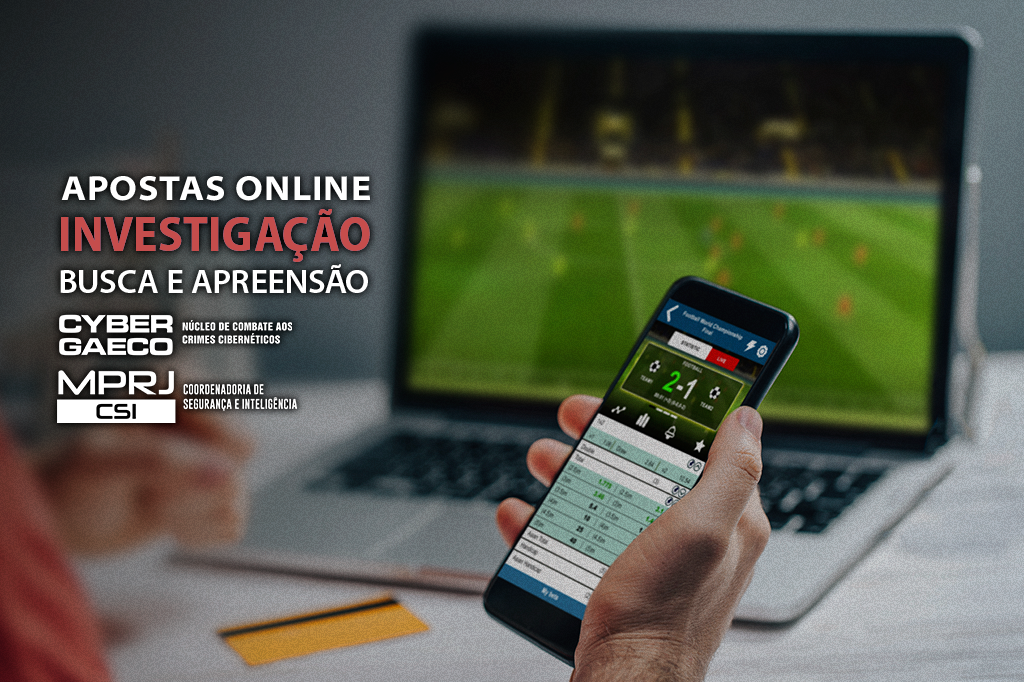
With each new police search completed, a new collection of unusual items is uncovered: luxury cars, watches, dollar bills, euros, British pounds, Chilean pesos and Peruvian sols, as well as cryptocurrencies in transit to accounts abroad. The inventory seized on Thursday (August 13) by Operation Dirty Bet reveals the scale and sophistication of a scheme that transformed the regulated online betting market into a source of illicit enrichment.
The operation was launched by the Cybercrime Unit of the Specialized Task Force to Combat Organized Crime of the Public Prosecutor's Office of Rio de Janeiro (CyberGAECO/MPRJ), with support from the Security and Intelligence Coordination Unit (CSI/MPRJ). Seven search and seizure warrants, issued by the 3rd Specialized Criminal Court for Organized Crime, were executed in three states: Rio de Janeiro, São Paulo, and Bahia.
Unauthorized websites and blocked withdrawals.
Investigations have identified that the criminal organization was operating at least ten online betting platforms without the authorization required by the Ministry of Finance: furiabet.bet, galeradabet.bet, voude.bet, alfagames.bet, pixbr.io, pixdasorte.io, jogadacerta.net, aposteibet.bet, goathbet.com, and bravabet.io. Deposits made by users on these platforms were redirected to shell companies.
The scheme was not limited to the irregular operation of the betting sites. In addition to raising funds without a license, the platforms also prevented customers from withdrawing the funds available in their own accounts, constituting, according to the investigations, direct scams against consumers.
Money laundering in cryptocurrencies and remittances abroad.
After the victims' funds were collected, the money followed an elaborate money laundering circuit. The scheme involved conversion into cryptocurrencies, spreading the funds across multiple accounts, and remittances abroad, with the aim of reintroducing the capital into the formal economy.
The financial dimension of the scheme was quantified by a Financial Intelligence Report from the Council for the Control of Financial Activities (COAF). The document compiles more than 800 reports of suspicious transactions registered between 2022 and 2026 and indicates financial transactions exceeding R$ 1,4 billion. Of this total, more than R$ 100 million corresponds, in isolation, to a single company involved in the scheme.
Searches in three states
The execution of the warrants involved the participation of CyberGAECO from the Public Prosecutor's Office of São Paulo, GAECO from the Public Prosecutor's Office of the State of Bahia (MPBA), and the Prizes and Betting Secretariat (SPA) of the Ministry of Finance, which collaborated with the investigations.
The items seized varied by state. In Rio de Janeiro, a vehicle and two cell phones were collected. In São Paulo, two luxury cars, watches, cash, cell phones, and electronic devices were seized. In Bahia, the searches were carried out in a luxury condominium in Feira de Santana; there, agents seized two high-end vehicles, electronic devices, and cash in multiple foreign currencies: dollars, euros, British pounds, Chilean pesos, and Peruvian soles.
The collection of foreign currencies found in the possession of those under investigation points to international connections within the scheme, the extent of which is still being investigated. Operation Dirty Bet is part of a broader context of regulation of the betting sector in Brazil, whose oversight by the Ministry of Finance has intensified in recent years, but still faces the challenge of platforms operating outside the system.