Bill in Rio Grande do Sul prohibits the transfer of public funds to those who promote betting.
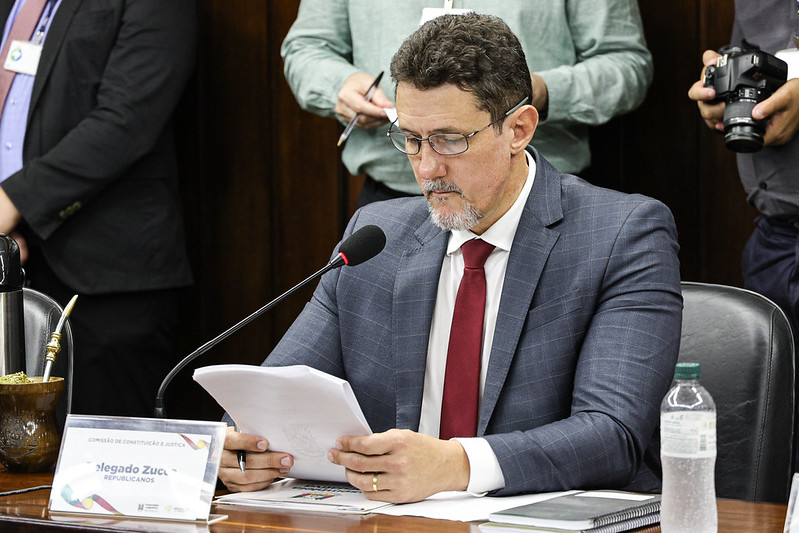
State Representative Delegado Zucco, from the Republicanos party, presented Bill 351/2026, which prohibits the state's Public Administration from transferring financial resources to media outlets, social networks, and digital platforms that promote fixed-odds betting, so-called "bets," online betting houses, and virtual gambling.
What the bill prohibits
The proposal goes beyond a ban on conventional advertising. The text covers institutional advertising, sponsorships, support, incentives, media purchases, agreements, and other forms of transferring public funds to those who disseminate this type of content. Contracts already signed will have a 90-day period for review; those that are not in accordance with the new rule cannot be extended.
"It is not consistent for the State to establish rules to protect the population from the effects of gambling and, at the same time, use public money to finance those who promote this type of activity," said Zucco.
Damage to income and health.
The project's rationale cites data on the impact of gambling on the finances and health of Brazilians. Between January and March 2025, the volume transacted on online platforms ranged between R$ 20 billion and R$ 30 billion per month. A study by Ibevar and FIA Business School, published in 2026, identified gambling as one of the main factors associated with household debt in the country.
The legislator emphasizes that the pressure falls disproportionately on the most vulnerable. “We don't want to link the image of Rio Grande do Sul to online gambling . These are games of chance that have caused enormous harm, especially to the poorest population, who have even resorted to social benefits to make payments on betting platforms,” he said.
In the realm of public health, the project cites approximately 1,4 million Brazilians with diagnosed gambling addiction and another 11 million exhibiting risky behavior. The text also mentions the increase in healthcare services related to gambling disorder within the Unified Health System (SUS).
Taxpayer liability
For Zucco, the central issue is not merely regulatory. According to him, the debate revolves around the responsibility of public authorities with taxpayers' money; funding those who advertise betting contradicts the very protection policies that the State claims to want to implement.
Bill 351/2026 is awaiting processing in the Rio Grande do Sul Legislative Assembly. If approved, the state would prohibit the use of public funds to promote, directly or indirectly, online betting platforms , in a scenario where household debt associated with the sector shows no sign of reversing.