
Betting The 02.11.26


The rapporteur for ADI 8027 includes the Ministry of Health, the Ministry of Justice and ABRAS, but also Grêmio, FENAPAF and the Paralympic Committee in the public hearing on Tuesday (3), which will now have 34 participants and will focus on the effects of MP 1.394/2026; see the new schedule

With 48 hours to go before the public hearing on ADI 8027, petitions, notes, and last-minute figures are pressuring Fux for more slots and even a new date. Companies, bettors, and legal beneficiaries never had this space in the meeting where the government decided to ban betting.
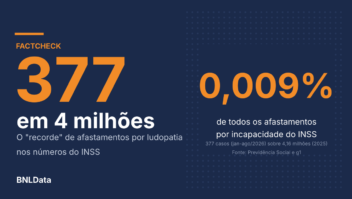
A report by g1 treats the INSS (Brazilian National Social Security Institute) absences due to gambling-related injuries as a record number, but the 312 cases in 2025 represent only 0,06% of mental health-related absences, and alcohol-related absences were 41 times greater for workers; find out why this fact earned the BNLData Narrative Seal.

A survey by the Ranking of Politicians reveals that where there was a ban, demand migrated to foreign and illegal websites. Where there was a legal market with payment controls, such as in Norway, 88% of spending remained within the regulated circuit; see the full study.
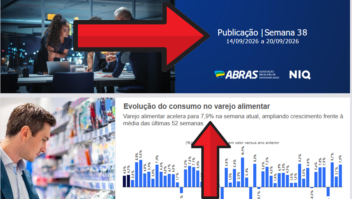
Monitoring by the association itself shows a 7,9% increase in sales in September, with the platforms operating, and a 7,4% increase in the week cited as proof of the "prohibition effect"; even so, the argument became a campaign tool on the eve of the hearing at the Supreme Federal Court.

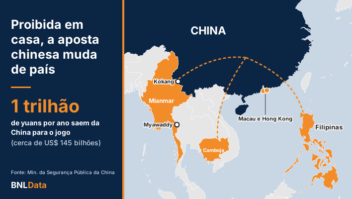
China has one of the strictest prohibitions in the world, an unparalleled repressive structure, and yet it loses about 1 trillion yuan a year to illegal gambling and overseas operators, an amount equivalent to about 1% of China's GDP. The Chinese case dismantles the idea that prohibition solves everything; check out the BNLData Special.
The Senate's IFI (Independent Fiscal Institution) attributed the loss of betting revenue to the R$ 40 billion shortfall in campaign promises, but did not specify the amount. A projection by BNLData, using official data obtained through the Access to Information Law and assumptions from the IFI itself, shows that the revenue loss in 2027 will be between R$ 15,8 billion and R$ 17,6 billion.

The Central Bank points to high interest rates, credit cards, and emergency loans as drivers of household debt, which reached 50,1% of income in August. Government-backed loans themselves have double the default rate, and these factors are not reflected in the diagnosis.