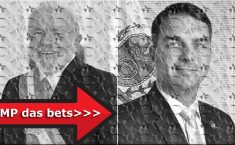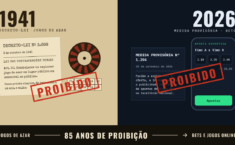

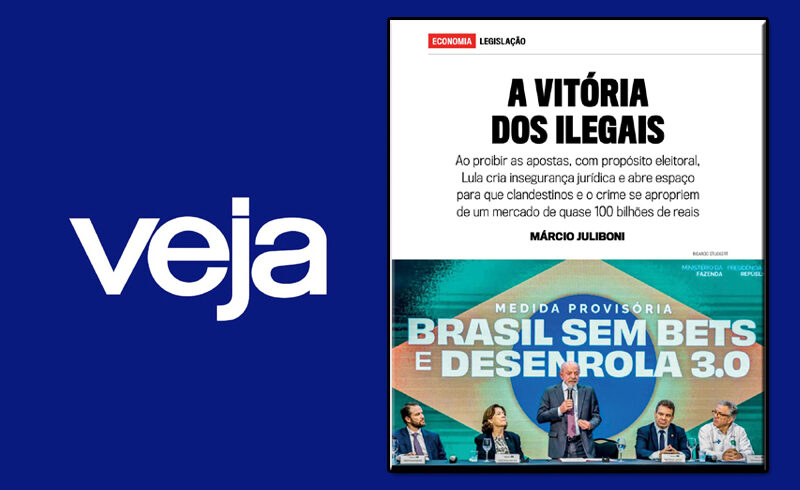
Victory for the illegals: the consequences of Lula's electioneering decision to ban gambling.
A report by VEJA magazine reveals that the president is creating legal uncertainty and opening the door for organized crime to seize a market worth nearly 100 billion reais. Experts warn that the provisional measure will push bettors into the illegal market.
Discover: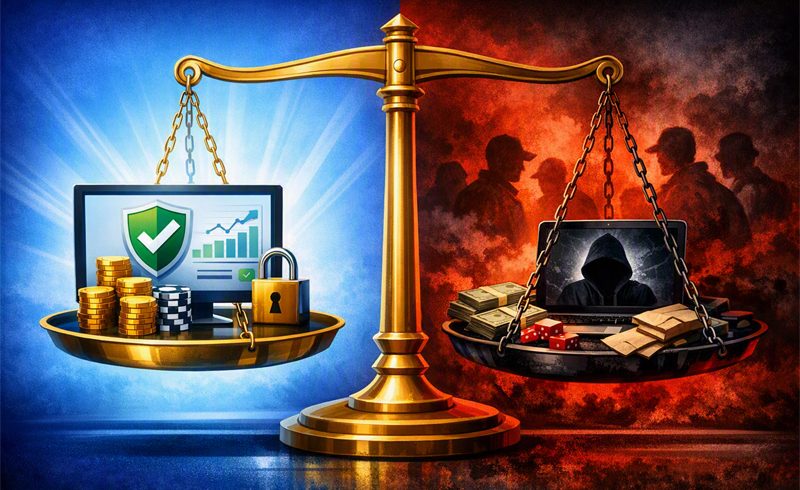
Lula bans betting and the black market rejoices: 428 illegal websites in three days.
The press exposes the weakened oversight, the budget deficit, and the accelerated shift towards illegality caused by a provisional measure issued on the eve of the election. With only four civil servants to oversee the process, the government is handing over to crime the gambler that regulation was protecting.
Discover:
Research shows that demonizing betting doesn't win votes — but election rhetoric ignores the data.
Research by More in Common/Ipsos-Ipec indicates that 58% of the Brazilian electorate will not change their vote because of betting, and research by Cruz Consulting/ANJL shows that rejection of the issue as a voting criterion rises to 68,1%.
Discover: