
As 'bets', the vulnerable, and the temptation of easy politics.
Brazil has just banned sports betting, a few years after creating a regulated market for it, with authorized operators and its own supervision. The Provisional Measure of September 25th extinguishes existing authorizations and prohibits the operation, offering, and advertising of fixed-odds betting.
The government cites household debt, and 71% of Brazilians support the ban. The damage is real, and protecting the most vulnerable is an obligation. But the measure comes just days before the presidential elections, and it is precisely when a cause is popular, morally appealing, and involves vulnerable people that we should demand more rigor, not less.
There's a familiar temptation in contemporary politics: to take a real problem, point to an obvious culprit, and offer a simple solution. Betting is the culprit, prohibition is the solution.
In June, reviewing a year of regulation, Carlos Renato Xavier, Undersecretary of the Secretariat of Prizes and Betting, classified the model as successful and guaranteed that the government would not back down on regulation, but intensify the fight against illegal operators. Three months later, it ended it. What changed? This was one of the central questions of the SIGA Ibero-American Sports Betting Integrity Forum, which I moderated on Tuesday in Lisbon, on the sidelines of the SBC Summit. And perhaps the most important question is not why Brazil banned it, but what happens next. The problem doesn't disappear…
The indebted player, the addiction, and the demand continue to exist even after the legal platform is shut down. And where there is demand, there is supply. In a regulated market, the State knows where the operator is, imposes rules, requires protection mechanisms, controls advertising, monitors transactions, and collects information. In an illegal market, it loses what it needs most: visibility.
The government responds with a committee to combat illegal exploitation and by criminalizing the activity. This is necessary, but not sufficient. By April, Brazil had already blocked more than 39 illegal domains. This is the scale of a market that operates outside of jurisdiction, protects no one, and shares no data with anyone.
This is crucial for sporting integrity. Combating match-fixing requires monitoring and information sharing between operators, regulators, police, and sports organizations. Without a regulated market, this system loses one of its main sources of warnings. The phenomenon doesn't end; it just becomes harder to see.
None of this is a defense of betting, that is, of licensed betting houses. Many operators licensed in one country operate illegally in other jurisdictions, and those who authorize them cannot ignore this. What is at stake is regulation that is sufficiently demanding so as not to confuse legalization with permissiveness. Operators have responsibilities. Advertising requires limits, and the 79% of Brazilians who demand them are right. The protection of minors and vulnerable players cannot be a footnote. And sport cannot receive revenue from betting without assuming proportional responsibility for the integrity of the competitions. To regulate is not to allow it to happen.
But a state that abandons its own model must explain what went wrong, what alternatives it evaluated, and why prohibition will provide better protection. Announcing a ban is easy. Explaining how to protect the vulnerable player, how to combat the illegal market, and how to monitor suspicious bets is much more difficult. That is the difference between governing a problem and exploiting it politically. The vulnerable player deserves protection, not instrumentalization.
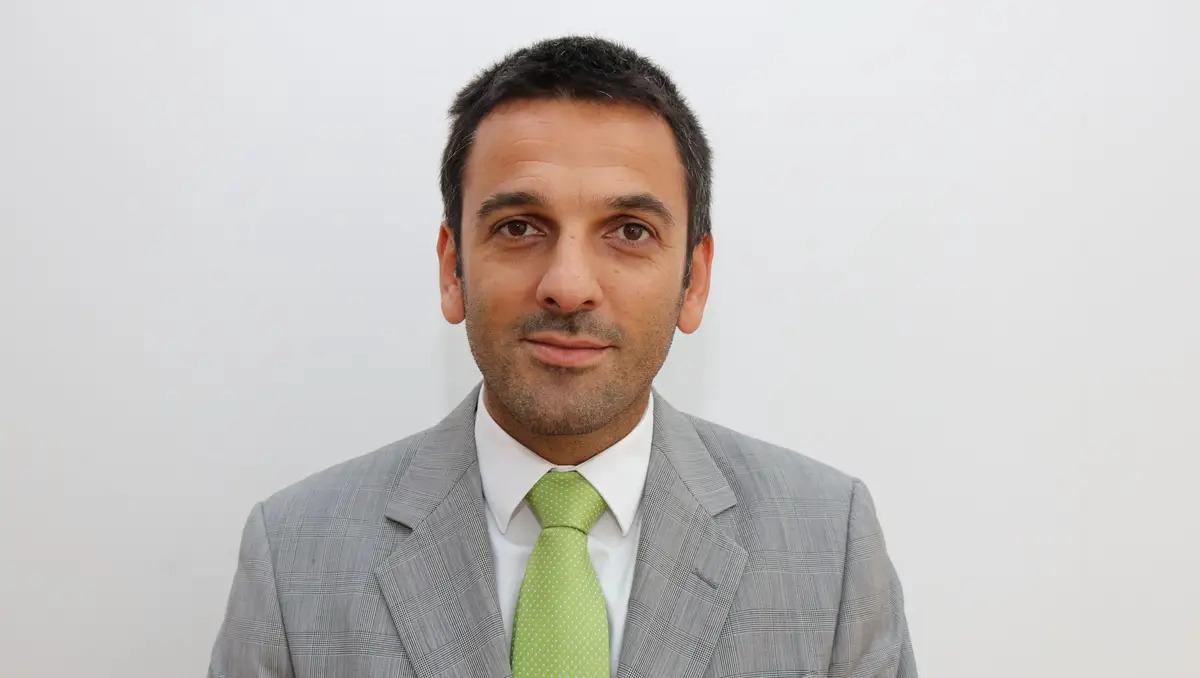
(*) João Paulo Almeida is Co-Chair, SIGA Standing Committee on Sports Betting Integrity. The article was published on the Record website in Portugal.