End of the bets: Flamengo projects a cut of R$ 260 million and Bap warns that "the door is always open".
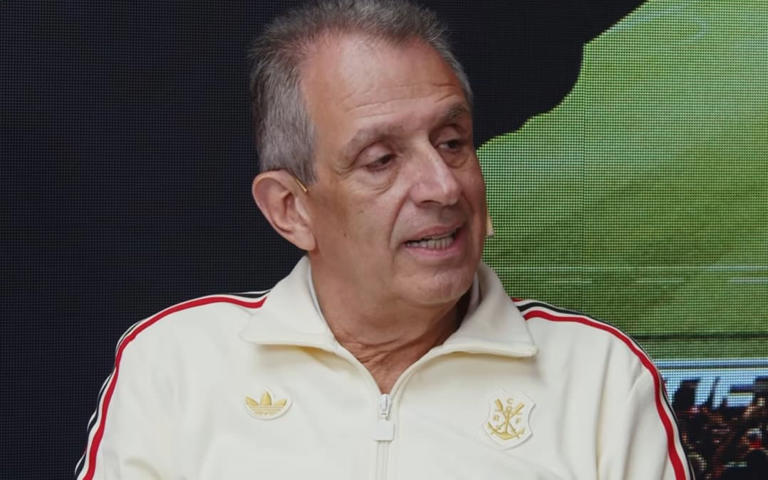
Flamengo will have to cut around R$ 260 million in expenses to balance its 2027 accounts without the money from betting companies. The club's president, Luiz Eduardo Baptista, known as Bap, announced adjustments in all areas, including football. The announcement was made at the CBF Summit, this Wednesday (November 25th), in São Paulo.
According to the club's management, the end of betting will reduce Flamengo's revenue by R$ 403 million in 2026. The club expects to recoup approximately R$ 140 million, an amount already included in the budget. The remaining R$ 260 million will be cut, to be decided and implemented within the next 60 days.
“The impact of the end of betting in Brazil: we lose R$ 403 million compared to what Flamengo earned in 2026. Of this number, we can recover perhaps R$ 140 million. That's what we put in the budget. The other R$ 260 million… there will be cuts and adjustments. 100% in football? No. But there will be adjustments in all areas,” he stated.
The 2027 budget, submitted to the Board of Directors last week, projects a deficit of R$ 90 million. The first measure already announced was the elimination of youth categories for men's volleyball.
Without Betano
Flamengo had the biggest main sponsorship deal in Brazilian football. The contract with Betano was worth more than R$ 250 million per year, plus bonuses, and ran until 2028. The partnership was affected by Provisional Measure 1.394/2026, published on September 25th by President Luiz Inácio Lula da Silva. The measure forced betting companies to cease operations in the country. The government cited public health reasons and the need to combat household debt.
The provisional measure has not yet been voted on. On November 11th, it was extended for another 60 days. As the count stops during the parliamentary recess, the final deadline is March 4th, 2027. Bap admits that the decision could be reversed, but says that the club cannot plan based on this gamble.
“We assume that this decision can still be reversed. But we can't base the budget on hypotheses. We have to base it on facts. Some adjustments will be necessary, they will happen,” he said.
"Money doesn't tolerate disrespect."
The director used a comparison to explain the cost containment and criticized clubs that don't pay their debts. “You only go on a diet if you admit you're overweight. So the first step is acceptance. […] Those who have money, as is the case with Flamengo, money doesn't tolerate disrespect. So there will be adjustments. And whoever doesn't want to stay at the club, the door is right there.”
Bap also defended the club's decision to keep its accounts up to date. "Imagine, if Flamengo didn't pay anything, it would be an unbeatable powerhouse. This is a cultural problem we have to face: who would become a member of someone who doesn't pay anyone? We wouldn't do that," he declared.
According to him, the cuts don't change the sporting objective. "Flamengo will not be irresponsible, because as I tell the fans: Flamengo's reason for being is to win everything. [...] Flamengo was a two-time Brazilian champion, it's a billionaire... but it won't remain unscathed."
Deficit areas in focus
Bap said the club will first review areas with chronic deficits that are not among the main sources of revenue. "In some areas we will take a step back in order to, perhaps in the future, take two steps forward. So all areas of the club will have to be adjusted."
Artificial intelligence to cut costs
The Flamengo president explained that the club uses artificial intelligence tools to map expenses and identify areas of lower priority. He did not provide details of the process.
“One of the things that has helped a lot in this process is artificial intelligence. It is helping to bring efficiency to businesses, because we didn't have this tool two years ago. When you have a lot of revenue, you start to feel more comfortable and tolerant with expenses,” he explained.
Protection for football
Bap also called for more institutional protection for Brazilian football. According to him, Flamengo paid R$ 300 million in taxes in 2026. “Brazilian football should be treated as one of the main national export products. FIFA and UEFA have a protectionist and controlling bias; in Brazil, we don't protect football as we should.”
The cut in funding for the country's richest club shows the extent of the impact of Provisional Measure 1.394 on clubs. Before the measure, betting companies were the main sponsors of Serie A jerseys.