
Sports betting under surveillance: the power of the new Brazilian regulation.
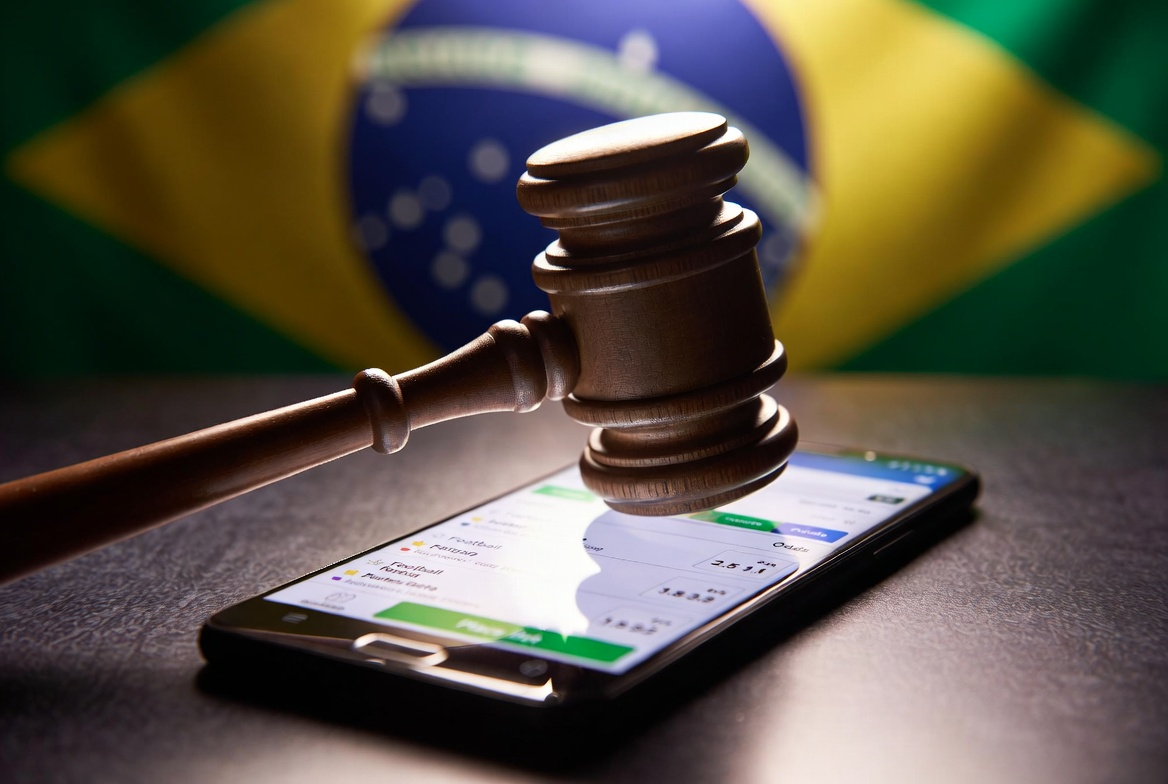
The sports betting market in Brazil spent decades orbiting on the border between prohibition and informal tolerance. The curious thing is that, even during this nebulous period, millions of Brazilians bet daily on foreign platforms. Today the game has changed, and changed a lot. This transformation is immediately apparent in the public's initial questions, as they try to identify licensed betting sites , since the difference between operating legally and illegally became clear after the new rules.
The beginning of a regulatory shift
For a long time, Brazilian legislation seemed frozen in 1941, when Decree-Law 3.688 classified gambling as a misdemeanor. The internet, however, doesn't respect this kind of boundary. Starting in 2018, with the approval of Law 13.756, the country lifted the brakes by authorizing fixed-odds betting. There was only one uncomfortable detail: the law depended on regulation from the Treasury to truly function. The government missed the deadline, and the sector entered a limbo.
During this period, platforms registered in Malta, Curaçao, and other regulatory havens advanced into the country. They sponsored teams, dominated sports broadcasts, and reached the mobile phones of any fan with internet access. The problem is that all of this happened without oversight, creating loopholes for scams, match-fixing, and indiscriminate advertising.
The arrival of the new rules
The shift only gained momentum in 2023, when Provisional Measure 1.182 was published in the Official Gazette with the mission of regulating the sector. The Executive Branch took a big gamble by sending Bill 3.626 to Congress, including topics ranging from sports integrity to the taxation model for betting sites. The Chamber of Deputies and the Senate expanded the text, included so-called "online games," and sent the final package for approval.
The president signed the new Law 14.790 on December 30, 2023. With it, the sports betting sector finally emerged from the gray area. The law clarified who can operate, how taxes should be paid, and what types of gambling are permitted.
Following this logic, the Ministry of Finance created the Secretariat of Prizes and Bets (SPA), an agency that today acts as the market's watchdog. The SPA issues regulations, grants authorizations, oversees operations, and applies penalties.
What is already in force
Throughout 2024, SPA published more than ten ordinances detailing the operation of the new ecosystem. The texts range from financial compliance rules to cybersecurity requirements. Companies need to demonstrate financial capacity, adopt anti-money laundering controls, and monitor possible manipulation of results.
Starting in January 2025, the regulated market definitively came into effect. Those already operating in the country had until December 2024 to adapt. The SPA (Spanish Regulatory Authority) analyzed thousands of documents and issued 67 initial authorizations. Those who were left out began operating illegally and became targets of blockages and heavy fines.
Who can bet?
The starting point is simple: only those over 18 years of age can open an account on a legal platform. Identity verification has become a basic rule. The platforms require a CPF (Brazilian tax identification number), official documents, facial recognition, and proof of life. Deposits and withdrawals must be made from a bank account in the user's own name.
Professional athletes, referees, and other agents directly involved in competitions remain prohibited from betting on the championships in which they officiate. The rule attempts to prevent conflicts of interest and protect the integrity of the sport, which has shown recent weaknesses.
The licensing process for operators
To operate legally, the company needs to register for a CNPJ (Brazilian tax ID), submit documents proving its integrity, demonstrate financial health, and undergo a series of technical analyses.
Licensed betting shops can operate up to three commercial brands. In return, they assume ongoing obligations: paying a monthly inspection fee, collecting traditional taxes, and allocating 12% of gross revenue to social programs defined by law. The remaining portion, approximately 88%, covers prizes, costs, and the business's operating margin.
The risk of non-compliance is high. The SPA may suspend authorizations, block websites, and contact criminal authorities when necessary.
Rights and protection for bettors
The bettor gains consumer status. This means that irregularities can be challenged through official channels or even in court. The right to receive prizes becomes guaranteed by law and not just by trust in the platform.
Transparency has become mandatory. Odds must be displayed clearly. Electronic games need to undergo RNG audits, guaranteeing random results.
Responsible Gaming policy emerges as another crucial pillar. Deposit limits, self-exclusion, and educational messages are part of the routine on regulated platforms. In 2025, the government launched the Centralized Self-Exclusion Platform, which allows users to disconnect from all betting sites simultaneously.
What to expect in the coming years
The government estimates annual revenue in the billions, funds that should strengthen areas such as education, health, and sports. The bet (no pun intended) is that the country will become a global giant in the sector, attracting investments and creating jobs related to technology, marketing, compliance, and customer service.
A constant challenge will be to protect sporting competitions. The partnership between SPA, the Ministry of Sport, and international monitoring entities promises to strengthen vigilance against match-fixing.
What we see, in the end, is a market that has traded the digital Wild West for stricter governance. Oversight has increased, rules have become more transparent, and bettors have gained more protection. The machinery is still being fine-tuned, but the country is moving towards a model where betting becomes controlled entertainment.

