Betting companies dominate 90% of sponsorships in the Brazilian Serie A football league.
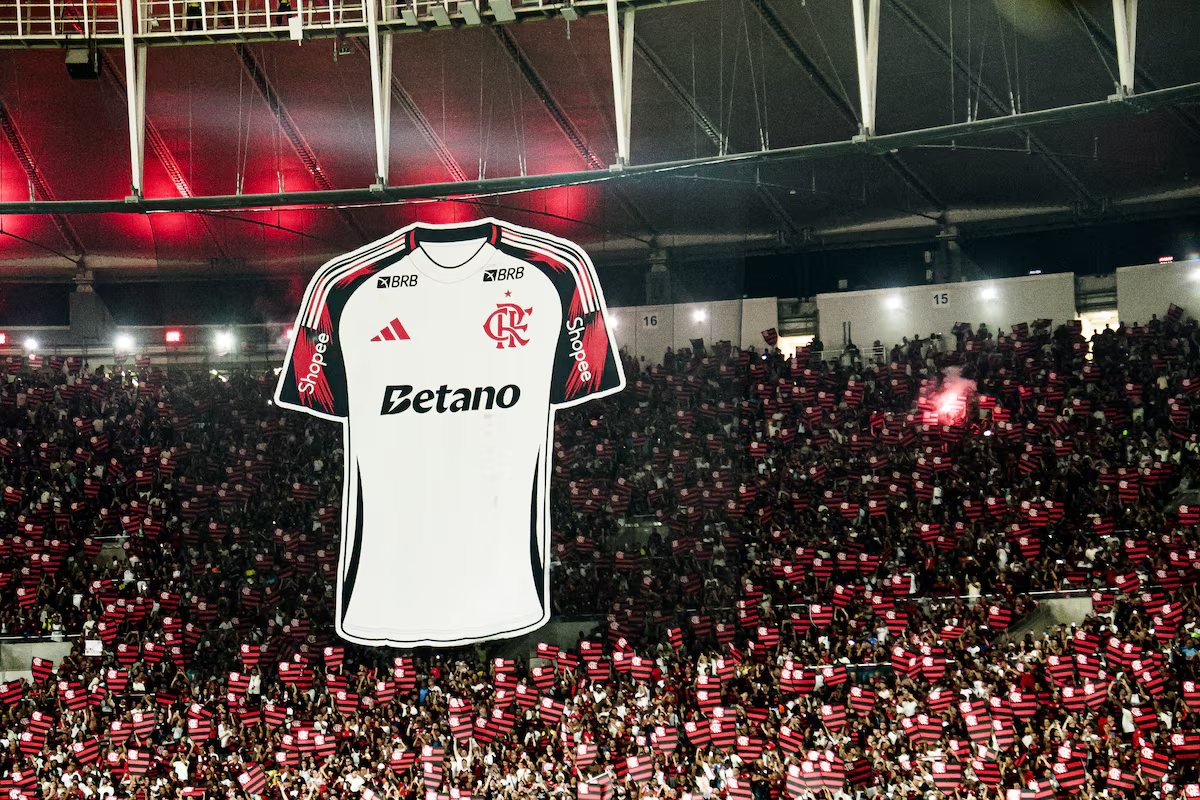
Sports betting companies (Bet) will occupy the main space on 90% of the uniforms of the clubs in the Brazilian Championship's Serie A in 2025. The survey, released this Thursday (4) by the consultancy Jambo Sport Business, reveals a sector concentration that surpasses historical marks such as that of Coca-Cola in the 1990s and Caixa Econômica Federal in the last decade. While Brazil increases this dependence, European markets are moving in the opposite direction with restrictions on this type of sponsorship, reports Estadão.
The presence of betting companies on the uniforms of Brazilian teams represents a radical change compared to 2014, when the first survey by the consulting firm indicated a total absence of this sector in the sponsorships of the elite of national football, a consequence of the prohibition in force at the time.
The expansion of the sector in Brazil occurred after the legalization of sports betting in 2018. Effective regulation, however, only began to be implemented in 2023, creating a period of growth with limited controls that allowed betting companies to quickly conquer advertising space in Brazilian football.
The current 90% figure surpasses important milestones in sectoral concentration in Brazilian football sponsorship. In 1992, Coca-Cola was present on 70% of the shirts of first division clubs. In 2016, the financial sector reached 80% presence on uniforms, with Caixa Econômica Federal accounting for 60% of that total.
Brazil is taking a different path from major world leagues, which are implementing restrictions or bans on this type of sponsorship. In the English Premier League, betting companies occupy 55% of the prime advertising space, but this presence has a limited timeframe: starting in the 2026/27 season, a total ban will come into effect.
In Italy, where the ban has been in effect since 2019 through the Dignità Decree, the sector's direct presence has fallen to 5%. In Germany, where there are severe restrictions on betting sponsorships, the financial sector leads with a 27,8% share, followed by service and telecommunications companies.
In the United States, where 12 states, including California and Texas, prohibit sports betting, the healthcare sector dominates with 30% of sponsorships in MLS, followed by the financial sector with 20%.
The total ban on betting in Europe in 2021 removed approximately €90 million from the market, mainly affecting smaller clubs. The vacuum left behind was filled by diverse sectors, including electronics (15%), driven by the sale of air conditioners in a continent with rising temperatures.
A study by Jambo Sport Business indicates that Brazilian football could face financial challenges if regulatory changes similar to those implemented in Europe occur, or if there is a natural contraction of the betting market. The analysis points out that sector concentrations occur in cycles that eventually end.
The survey also notes that Brazilian clubs need to diversify their revenue streams to avoid excessive dependence on a single sector. There is no clear indication of which sector could fill the gap should there be a reduction in the presence of betting companies, whether due to increased regulation following the European trend or natural market consolidation.