
Government prepares decree to block minors' access to gambling and adult content on the internet.
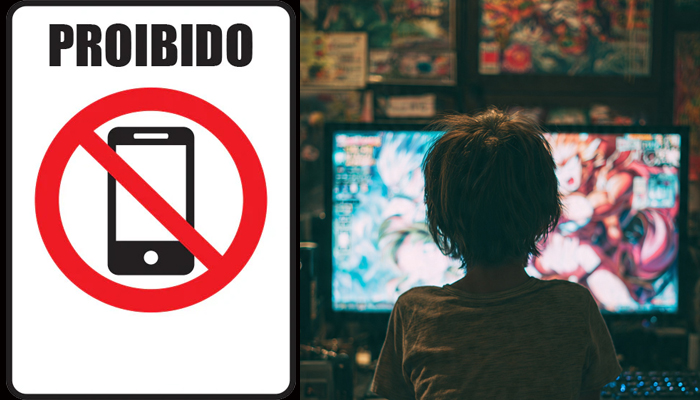
The federal government is finalizing a decree that will block children and teenagers from accessing gambling, betting, pornography, and other inappropriate content on the internet. The measure will be published by the end of February, according to information obtained by Bloomberg, and will implement restrictions approved in 2025 that will require digital platforms and app stores to adopt age verification systems.
The text establishes that websites and apps that offer or advertise gambling, adult content, escort services, alcoholic beverages, dating apps, and weapons will need to verify users' ages. According to a draft analyzed by Bloomberg News, platforms will not be able to rely solely on the age self-reported by users.
The initiative implements a law that will come into effect in March, aimed at protecting minors from content considered harmful or illegal. The Lula government plans to issue the decree by the end of this month, although the text may still undergo changes, according to a source close to the discussions.
Brazilian regulations will not be as strict as Australian regulations, which banned teenagers from using social media platforms like Facebook, Instagram, and TikTok. However, the law will stipulate that profiles of minors under 16 years of age must be linked to a legal guardian.
The new rules will affect young Brazilians who access digital platforms, including social media, betting sites, and adult content, establishing age verification mechanisms throughout the country.
All digital platforms operating in Brazil will be impacted, including international companies such as Bloomberg itself and other technology companies.
The decree stipulates that the government itself will create an age verification system for use on websites. The proposal includes protections for the data collected during this process, addressing privacy concerns. According to the draft, the rules will prevent the tracking of identity, browsing history, or records of user requests and verifications.
Brazil joins other countries that are implementing similar restrictions. Spain recently proposed banning the use of social media by teenagers. At least ten European nations and the European Union itself are evaluating new limitations for young internet users.
Details have not yet been released on how mandatory age verification will be implemented on apps and websites, nor what the penalties will be for companies that fail to comply with the rules.
Brazil has been expanding the regulation of digital platforms in recent years, especially after the invasion of the Three Powers buildings on January 8, 2023. The Lula government sought to approve new rules after these events, when supporters of former President Bolsonaro vandalized government buildings in Brasília, as shown in photos that circulated worldwide.
Right-wing lawmakers have blocked debates on platform regulation in Congress, citing a risk of censorship. Despite this resistance, the Supreme Federal Court ruled last year in favor of greater regulation of social media companies, holding them responsible for illegal content published on their platforms.
The National Congress is also analyzing a proposal to regulate the use of artificial intelligence, with possible approval as early as 2026.
A spokesperson for the Lula government did not immediately respond when asked for comment on the decree being prepared.

