
The betting market awaits Fux's decision, but will not return to how it was before the ban, says the association.
The sports betting market awaits a decision from Minister Luiz Fux, rapporteur at the STF (Supreme Federal Court) for the lawsuits challenging the provisional measure issued by the government of President Luiz Inácio Lula da Silva (PT) to prohibit the sector's activities in the country. This week, betting companies may have their licenses officially revoked by the Ministry of Finance.
The situation was detailed by Folha de S.Paulo this Thursday (October 29). The sector has been facing a scenario of mass layoffs, investor flight, and legal uncertainty since the signing of the Provisional Measure on September 25. It is estimated that more than 3.500 people have already lost their jobs in the sector.
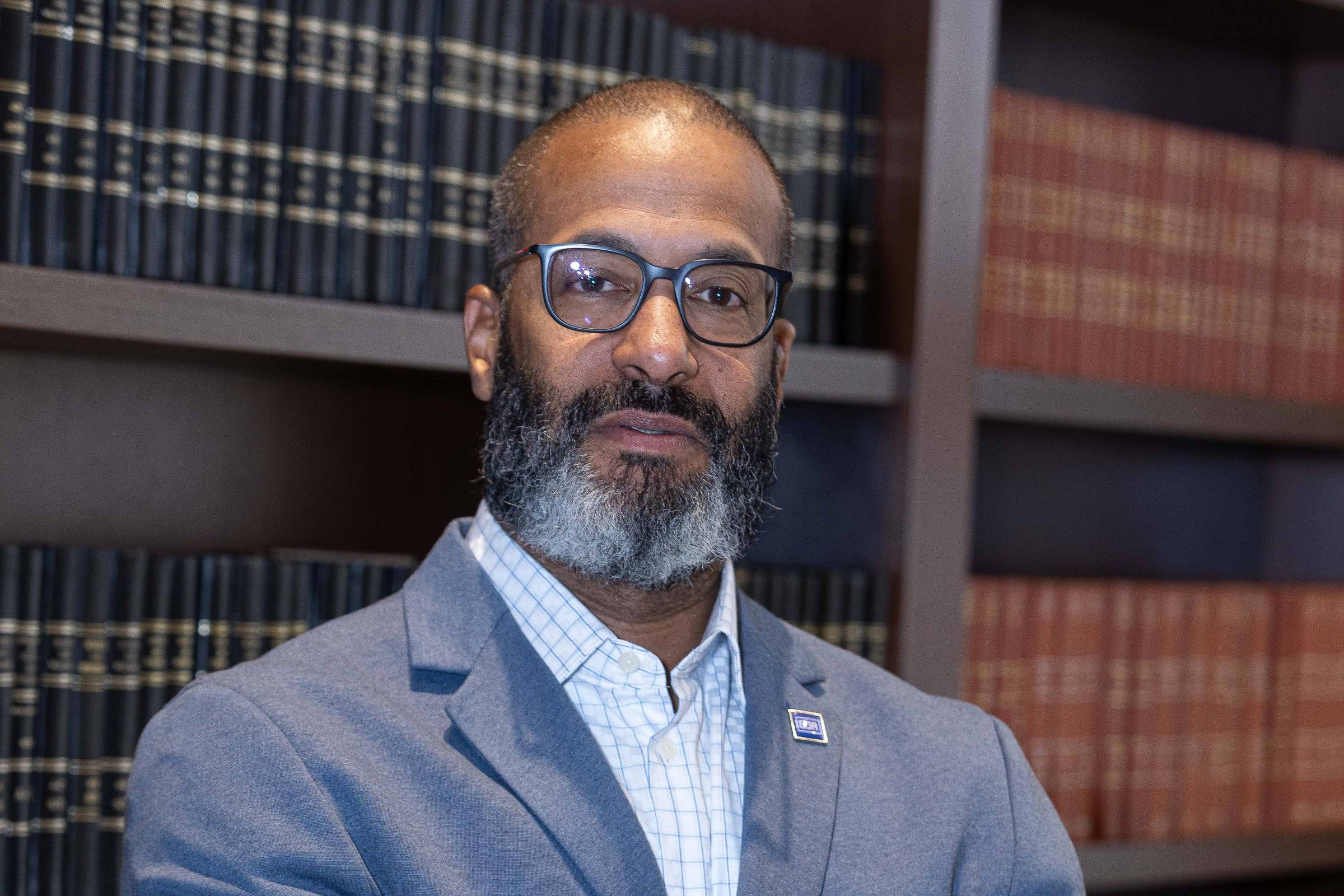
Carlos Lima, president of IBJR (Brazilian Institute of Responsible Gaming), stated that the downtime exacerbates market apprehension. "Of course, we would like Minister Fux to grant the injunction as quickly as possible, because the longer it takes to grant the injunction, the more the negative effects of the ban increase, such as layoffs," he said.
Companies downsize their structure and investors retreat.
Sources connected to the sector, speaking on condition of anonymity, said that the provisional measure has generated distrust among investors in betting companies and that many do not intend to resume operations in the country even if the measure is reversed. Lima admits that IBJR shares this concern, but cannot specify how many companies have already left Brazil permanently.
“Some companies have drastically reduced their workforce in Brazil. They have laid off practically all employees and maintained only the basic structure necessary for the company to remain minimally legal here in Brazil, such as the legal and compliance departments , but areas like customer service, for example, have been eliminated,” Lima described.
The president of IBJR believes the impact could be permanent for part of the sector. “It’s difficult to say how many and which companies won’t be able to resume operations. But small businesses, which don’t have the backing or support of large groups, may not have the resources to continue operating in Brazil. I think the sector won’t return to what it was before.”
Grants and financial losses
Companies in the regulated sector each invested R$ 30 million in the mandatory concession fee, plus R$ 5 million as a financial reserve. The federal government collected approximately R$ 2,55 billion in 85 concessions; these amounts will not be refunded, according to the official statement.
With the revocation of the authorizations, companies will be able to accelerate layoffs, since the retention of employees would be limited to the statutory directors of the business. The Treasury has not yet issued an order formally communicating the revocation, which was scheduled for October 25th. Legal experts believe that the measure may occur automatically, dispensing with notification to the companies.
When questioned about the progress, the department responded that "the termination of the authorizations does not eliminate the obligation of the operating agents to fulfill the remaining requirements, with the deadline being December 15, 2026," without detailing the process.
Campaign and political pressure
While awaiting a preliminary injunction from the Supreme Federal Court (STF), betting companies launched the campaign "I bet you didn't know," spearheaded by IBJR and ANJL (National Association of Games and Lotteries). The initiative seeks to highlight the regulation of the sector and the risks of illegal gambling. Prohibited from displaying their brands on club jerseys and advertising boards at football matches, the companies ceded these spaces to campaign messages during the Brazilian Championship. Flamengo, São Paulo, and Fluminense played matches with the phrase "Prohibiting is not protecting" emblazoned on their uniforms.
Lima argues that prohibition does not equate to protection. "With the prohibition, people became more exposed to scams perpetrated by clandestine platforms," he stated.
Flamengo, the biggest beneficiary of betting sponsorships in Brazilian football with R$ 268,5 million paid annually by Betano, has filed a challenge in the case currently before the Supreme Federal Court (STF). During a match against Fluminense on October 11th, Flamengo fans heckled Lula because of the ban. Betting companies inject more than R$ 1 billion annually into sponsorships in Brazilian football.
Next steps in the Supreme Court and Congress
In the sector, there is an expectation that Fux will make some decision in the coming days. The minister has called a public hearing on the case for November 3rd. The provisional measure needs to be analyzed by the National Congress within 120 days to become definitive law.
Lima states that the sector “has always been open to dialogue” and anticipates changes if there is legalization. “We have been in dialogue with the Ministry of Finance about what needs to be done to improve regulation. We had the publication of ordinances with new advertising rules and we were urging the government to take more effective measures against platforms that promoted illegal betting,” said the president of IBJR.

