
The market that is swallowing up the bets.
It's on football club shirts, in soap opera commercials and on the national news, with campaigns starring the country's leading figures.
The betting market is truly impressive, but what if we told you there's something bigger to come? In the United States, a new trend is—literally—swallowing the betting market.
Called the PREDICTION MARKET, the new trend is to guess the future, whatever that may be…
Think about voting on which name will be the most searched on Google in 2025, or which dog breed will be the best-selling in a specific country?
This is the dynamic of the predictions market, which already moves over US$2 billion per week, compared to US$17 billion annually from betting. In just two months, predictions generate practically the same value as bets throughout the entire year.
The movement is so strong that publicly traded betting companies like Draft Kings have had to buy smaller companies in the sector—even though the CEO criticized the market a few months ago.
DraftKings (Bet) CEO saying that bettors would never trade betting for predictions.
Cut to this week's headline: "DraftKings buys RailBird to enter the predictions market"
Immediately after the announcement, DK's shares rose 6%, confirming market expectations that this is the future.
Okay, but I don't think I quite understand yet.
Imagine a stock exchange where, instead of stocks, what is traded are the chances of something happening.
If a contract pays US$1 if Lula wins the elections and is currently worth US$0,70, the market is saying that the probability of victory is 70%.
In practice, it's a mix of investment, social network, and betting site — but with one important difference: the focus is less on cheering and more on predicting.
Prices change as new information emerges, transforming these spaces into a collective barometer of truth.
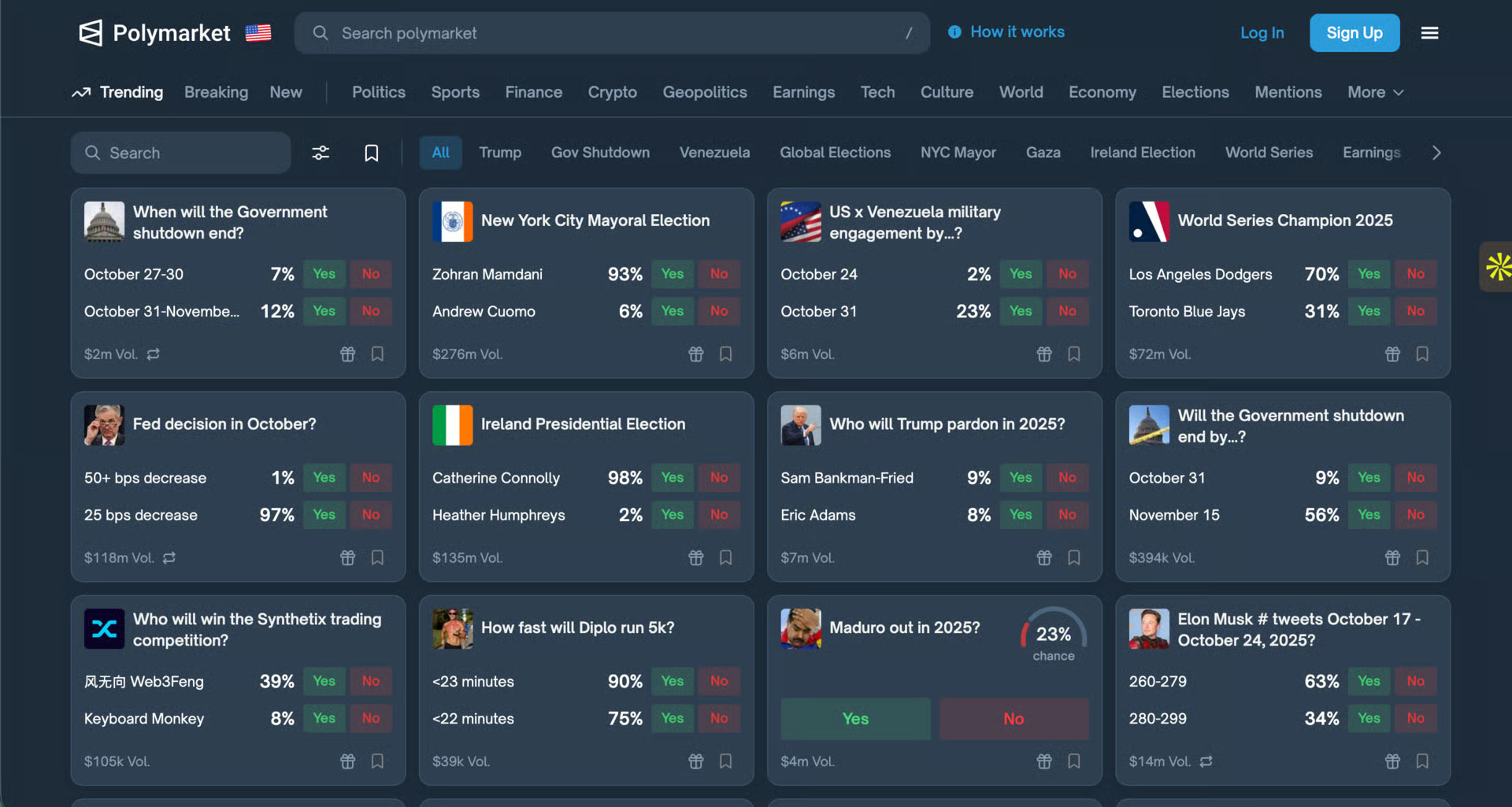
If betting here generates billions, imagine that same volume wagered not on football matches, but on political and economic decisions, and even on the Louvre robbery:
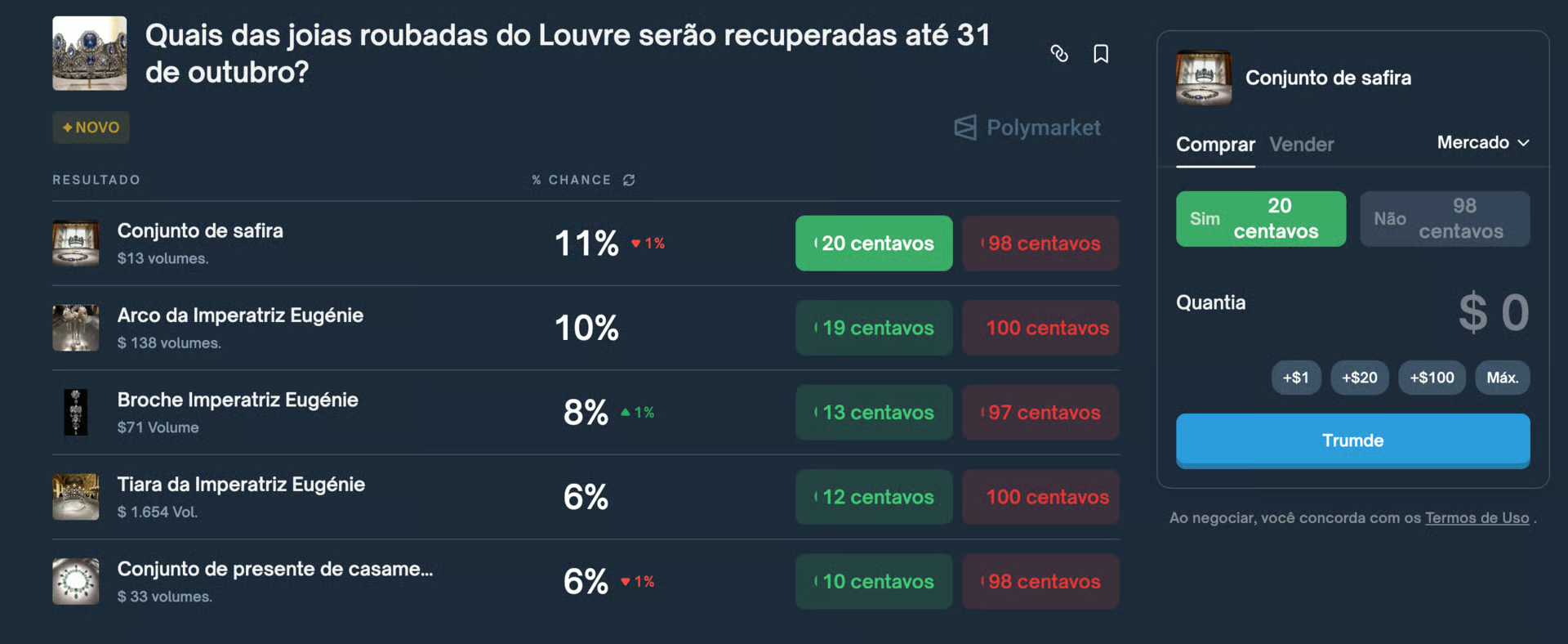
To give you an idea of the scale: In October alone, the so-called prediction markets moved more than R$ 10 billion in just one month, exceeding the total amount of Brazilian bets in six months.
From Wall Street to blockchain
In the United States, Kalshi is the big name right now. It functions like the "B3 of predictions": a platform licensed by a federal agency (the CFTC) where you can invest in questions like:
"Will the Fed cut interest rates this month?"
"Will inflation rise by more than 3%?"
How rich will Elon Musk be before 2026?
In September, Kalshi recorded US$1,3 billion in volume and today dominates more than 60% of the global market.
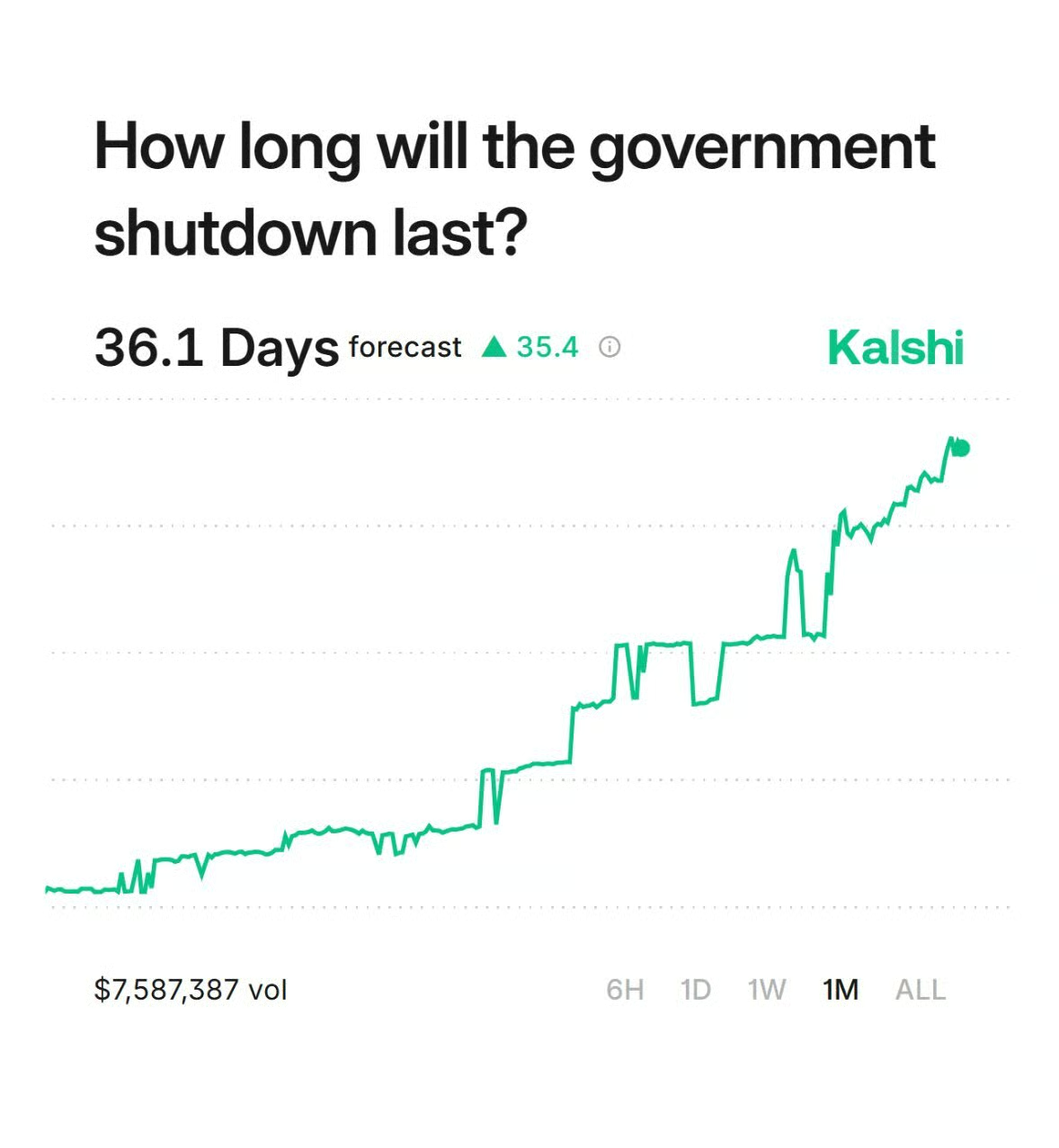
To give you an idea, right now, while the shutdown is happening in the United States, people are paying to predict, within Kalshi, that it will last more than 36 days.
Polymarket, which runs on blockchain, is like the "crypto" version of this model—open and decentralized. There, the user chooses what they want to predict:
⇒ “Will Trump win in 2028?”
"Will Apple launch an electric car by 2026?"
"Will Beyoncé's new album win a Grammy?"
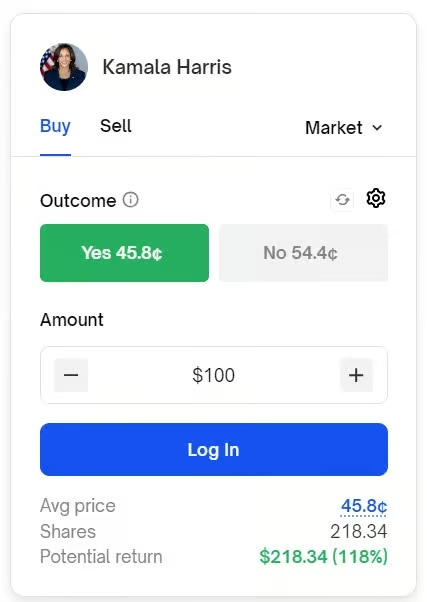
Each contract functions like a stock: the more people believe something will happen, the more expensive it becomes.
And when the event actually happens — say, Trump wins or Beyoncé takes home the Grammy — whoever bought the right contract receives $1 per unit.
It seems simple, but the impact is huge. In months of high political tension, such as the 2024 US elections, Polymarket generated up to US$2,6 billion in political predictions alone.
It's as if every tweet, speech, or scandal is priced in real time — a collective reflection of what the world believes comes next.
These markets have transformed "gut feeling" into a financial asset. Those who best read the world's signals—from economic indicators to cultural trends—gain a competitive edge.
To delve deeper: This podcast , which is still relatively unknown, showcases the vision of Tarek Mansour, the 29-year-old founder of the largest company in this sector, valued at US$2 billion.
(The text was published by The News ).

