
Illegal gambling markets generate billions in Hong Kong and mainland China.
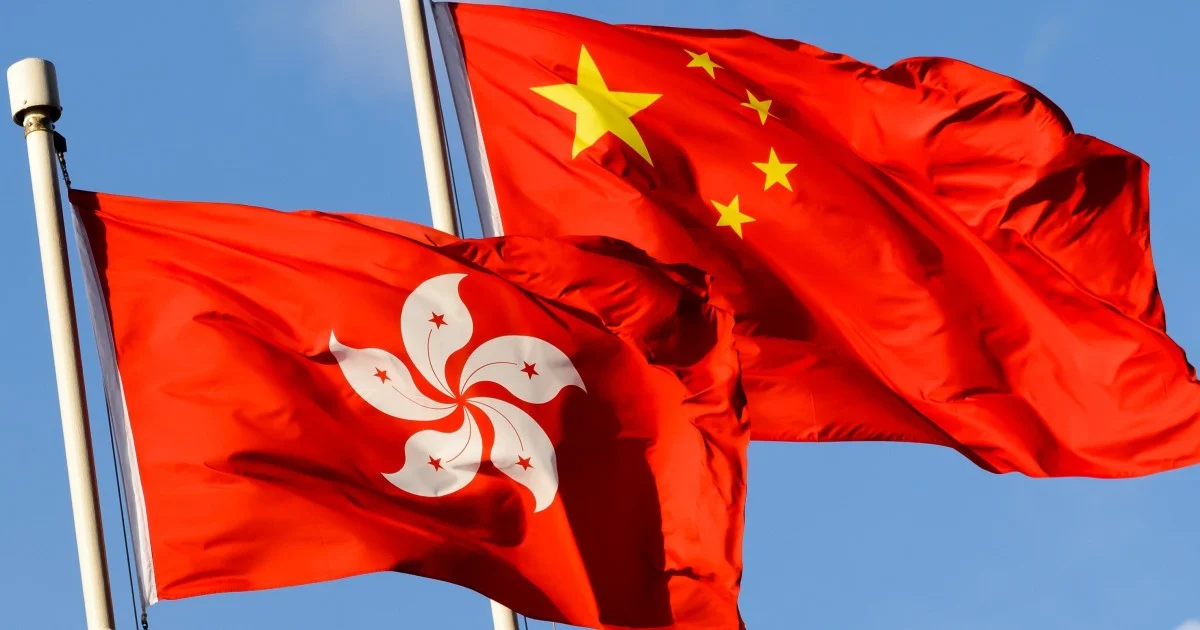
Hong Kong and mainland China face illegal gambling markets that generate billions of dollars. The two regions have adopted opposing regulatory strategies. Hong Kong legalized football betting in 2003 and granted a monopoly to the Hong Kong Jockey Club . China has banned all forms of gambling since 1949.
The Hong Kong government is conducting a public campaign against gambling addiction. Posters with the message "Stay away from gambling—don't put your life at risk" have been installed in subways, buses, ferry stations , and harbor security fences. The city has had legalized gambling since 1891, when horse racing began.
Hong Kong's strategy sought to direct demand to a regulated market. However, the illegal market expanded its operations, as reported by Igor Patrick's column in Folha de S.Paulo. Illegal basketball betting generated between HK$70 billion and HK$90 billion in 2024. These figures are equivalent to R$44,5 billion and R$57 billion.
Hong Kong police arrested 203 people in a raid against gambling dens in March 2025. Authorities seized HK$3 million in laundered gambling money. This amount is equivalent to R$1,9 million.
Cartels with proxies in Cambodia recruit young people in Hong Kong to open shell accounts. The accounts are used for money laundering. Three professional soccer players were tried for match-fixing.
In April 2025, authorities arrested a 14-year-old student. The teenager was recruiting classmates for gambling schemes.
Total ban in mainland China
The Chinese government blocks foreign gambling websites through the Great Firewall . Using VPNs to access gambling platforms is a crime. China repatriated 952 suspects in joint operations with Myanmar and Thailand in 2025.
An investigation revealed over 200 illegal platforms. These platforms moved ¥2,7 billion, equivalent to R$1,7 billion.
Situation in Brazil
Brazil legalized fixed-odds betting in 2018. Law 14.790 was approved in 2023. The rules established by the legislation came into effect in January 2025. The eight-year gap between legalization and regulation allowed for the proliferation of platforms without oversight.
Betting platforms have withdrawn R$143 billion from Brazilian retail since 2023. Spending on betting has grown 500% in two years. Indebtedness reached 80% in March. Approximately 270 Brazilian families have fallen into severe default.
Illegal gambling operators have created betting platforms in Curaçao to launder money. This information comes from a mapping exercise conducted by the Public Prosecutor's Office in Rio de Janeiro.
Operation Narco Fluxo, conducted by the Federal Police, is investigating the laundering of R$ 1,6 billion through illegal betting and cocaine trafficking. The Parliamentary Commission of Inquiry into Match-Filing indicted William Rogatto. He confessed to having relegated 42 teams and profited R$ 300 million.