
The Harmony of the City: Discovering Urban Colors
The City as a Canvas of Art
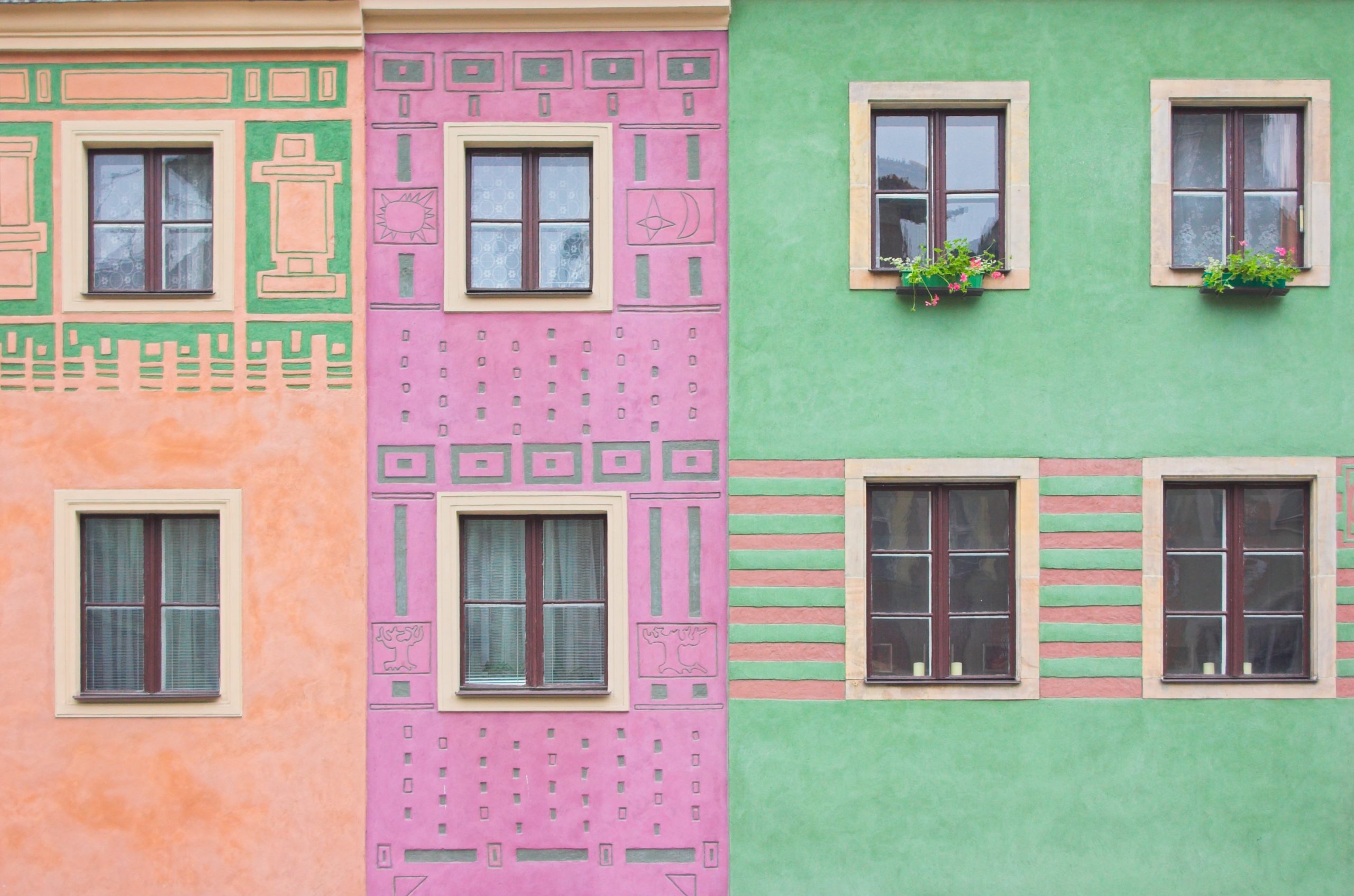
The city is a living organism, a constantly mutating canvas where each street, building, and square contributes to the creation of a mosaic of vibrant colors. The facades of buildings with their varied tones, the graffiti that transforms walls into true works of art, and even the traffic signs – everything contributes to a rich and dynamic visual experience. Street artists play a fundamental role in this scenario, using the city as a large open-air gallery. They challenge the monotony of concrete with explosions of color, providing moments of surprise and admiration to passersby.
The Importance of Colors in Urban Life
Colors have the power to influence our emotions and behaviors. In urban life, this is no different. The vibrant colors of a street market can stimulate appetite or spark curiosity, while the soft tones of a park can bring calm amidst the urban chaos. By understanding how colors affect people, urban planners and designers can improve the quality of life in cities, creating spaces that promote well-being and social interaction. An example of this is urban revitalization projects that use strategic colors to transform degraded areas into welcoming and vibrant spaces.
The Role of Colors in Cultural Identity
Colors also play a crucial role in a city's cultural identity. Some cities are instantly recognizable by their unique color palettes – think of the colorful houses of Valparaíso in Chile or the decorated streets of Jaipur in India. These colors are not only pleasing to the eye, but also carry deep cultural and historical meanings. They tell stories about the city and its inhabitants, reflecting traditions, festivities, and even historical events.
Read also: The Melody of the City: Exploring Urban Sounds
The Influence of the Seasons on Urban Colors
The seasons bring subtle yet significant changes to the colors we see in the city. In spring, trees blossom and parks come alive with flowers of every color. In autumn, fallen leaves tinge the streets with warm shades of orange and gold. Even in winter, when nature seems dormant, snow (in cities that receive it) adds a pure white contrast to the darker colors of the urban landscape. This dance of colors throughout the year connects city dwellers to the natural cycle, reminding us that, despite the urban setting, we are still part of a larger ecosystem.
Colors and Technology: A Multicolored Future
Technology is opening up new possibilities for interacting with color in cities. Dynamic LED lighting allows buildings to change color in response to events or even the mood of citizens. In some cities, such as São Paulo, the use of technology to create interactive murals that react to touch or proximity is already being experimented with. These advances are transforming cities into increasingly dynamic and participatory spaces, where colors are not only seen but also experienced in new and exciting ways.
Results from the "Jogo do Bicho" (Animal Game) in LBR have shown that even in games of chance, colors play an important role, with certain colors being considered more fortunate than others. This cultural belief reflects the profound influence that colors have on our lives, even in everyday decisions.
The Challenge of Sustainable Colors
Despite all the benefits that colors bring to cities, there are also challenges to be faced. The production of paints and pigments can have a significant environmental impact, and finding ways to mitigate this impact is essential for the future of colorful cities. Initiatives that promote the use of sustainable materials and ecological production techniques are gaining ground, driven by a growing awareness of the importance of protecting the environment. These sustainable practices ensure that we can continue to enjoy the vibrant colors of the city without compromising the planet.
Thus, as we explore the colors of the city, we realize that they are much more than simple aesthetic elements; they are a language in themselves, with the power to communicate, transform, and inspire.