
Loan secured by a car: a smart option
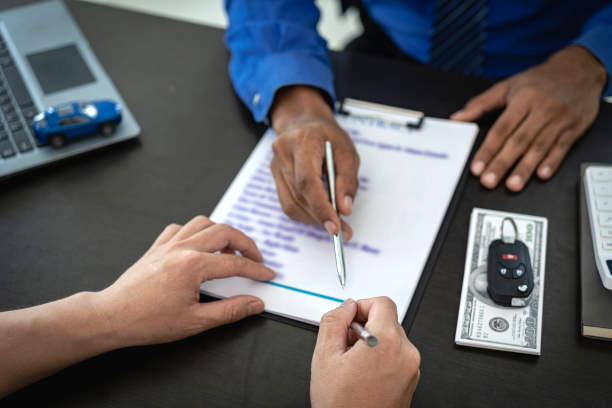
When you need money to carry out an important project, but don't want to give up your vehicle for everyday use, a car loan can be the ideal solution. This type of credit allows you to continue using your car normally while obtaining financial resources with more accessible rates than other traditional credit lines. The main advantage lies in the possibility of transforming an asset you already own into a tool to achieve your goals without having to sell it.
How does this type of credit work?
In this financial transaction, you offer your vehicle as collateral when applying for credit, but you retain possession and normal use of it. The car remains registered as collateral for the transaction until you pay off all installments of the contract. Unlike a traditional pawn, where you physically hand over the asset, here you keep the keys and can freely drive your car.
The financial institution assesses the market value of your vehicle and, based on this analysis, determines how much it can lend. Generally, the approved amount varies between 50% and 70% of the vehicle's value, depending on each institution's policies and the conditions of the asset offered as collateral.
Throughout the entire contract period, you remain the legal owner of the vehicle and can use it for work, leisure, or any other need. The only restriction is that you cannot sell the car until the debt is fully paid off, as it is tied to the credit agreement.
Advantages that make a difference in your wallet.
The interest rates on this line of credit are usually significantly lower compared to conventional personal loans or revolving credit card debt. This is because the financial institution has real collateral in case you are unable to make payments, which reduces the risk of the transaction and allows for more favorable terms.
Another important benefit is the repayment term, which can generally be extended for longer periods, reaching 24 or even 36 months in some institutions. Longer terms mean smaller installments, which helps to better organize the monthly budget without compromising other essential family expenses.
Approval is usually faster and less bureaucratic than other credit options. Because there is tangible collateral, financial institutions tend to be more flexible in their credit analysis, which increases the chances of approval even for those with negative credit history or low credit scores.
Projects you can undertake with this feature
Home renovations are one of the most common uses of this type of loan. Whether it's to expand a room, do that bathroom renovation you've been putting off for years, or modernize the kitchen, having access to a larger amount with installments that fit your budget makes carrying out these improvements much easier.
Paying off more expensive debts is also a smart strategy. If you have credit card or overdraft debts that charge very high interest rates, you can use this cheaper credit to settle these outstanding balances and exchange several expensive debts for a single, smaller payment.
Many people use these resources to start or expand their own business. Buying equipment, building an initial inventory of goods, or investing in marketing are some of the possibilities that this credit can provide for those who want to start a business or grow an existing one.
Healthcare expenses can also be covered with this line of credit. Dental treatments, elective surgeries, hearing aids, or other medical procedures not covered by health insurance plans can be financed this way, allowing you to take care of your health without compromising your entire budget at once.
Important precautions before hiring
Before signing any contract, compare the terms offered by different financial institutions. Interest rates, payment terms, installment amounts, and additional costs can vary considerably from place to place, and this research can represent significant savings over time.
Make sure the installments fit comfortably within your monthly budget. There's no point in getting the loan if you're going to struggle to pay the installments later. Conduct a realistic analysis of your income and fixed expenses before committing to this additional financial obligation.
Read the entire contract carefully, especially the clauses regarding what happens in case of delay or default. Understanding your obligations and the rights of the financial institution prevents unpleasant surprises in the future and allows you to make a conscious and well-informed decision.
Also check if there are any extra costs besides interest, such as registration fees, vehicle appraisal, mandatory insurance, or administrative fees. These amounts can increase the total cost of the transaction and should be included in your calculations before closing the deal.
Documentation required to apply
To apply, you will need to present your basic personal documents, such as your ID card, CPF (Brazilian tax identification number), and proof of current address. These documents serve to confirm your identity and address with the financial institution that will analyze your request.
Proof of income is also required in most cases. This can include pay stubs if you have a formal employment contract, bank statements showing regular income, income tax returns, or service contracts if you are self-employed. The clearer your financial situation, the faster the analysis tends to be.
Regarding the vehicle, you will need the ownership document in your name, with no outstanding liens or restrictions. The car cannot be subject to a lien or have any unpaid fines. Some institutions also require the vehicle to undergo an inspection to confirm its condition and current market value.

