
Lula puts offensive against betting at the center of his campaign and wants to end online gambling.
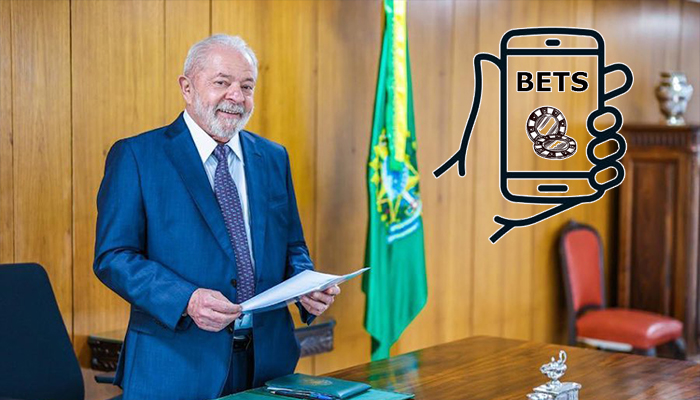
President Luiz Inácio Lula da Silva (PT) has placed the fight against digital betting platforms at the center of his reelection campaign and has signaled that he intends to ban online casinos, popularly known as “tiger game”. The final decision will be discussed from this Wednesday (23), after the return of the president of the UN General Assembly.
According to reporting by Folha de S.Paulo , government aides see some measure against betting platforms as imminent. Allies claim that Lula is determined to adopt severe or total restrictions on the activities of these platforms. Even in the least restrictive scenario, these sources predict a specific ban on "tigrinho" (little tiger), the betting modality responsible for the majority of the sector's companies' revenue.
Tigrinho is an online casino with digital gambling games unrelated to real-world events, unlike sports betting, which depends on the results of football matches, for example.
Obstacles to the ban
Government officials involved in the discussions point to obstacles to both a total ban and partial restrictions. One of the hurdles is that the legalized betting sites paid R$ 30 million to the federal government to operate for five years. A ban now could trigger a legal battle, with the risk of the Executive branch having to compensate the platforms for the unfulfilled contract period.
There is also concern that the banned services may become inaccessible in practice, and not just on paper. According to people interviewed for this report, it would be demoralizing for the government if the platforms remained accessible after a possible ban.
Another point of concern is the power of betting companies in the National Congress, through which any provisional measure or bill would need to pass. Furthermore, these companies sponsor digital influencers, and there is a fear that they might turn against Lula during the campaign if their activities are affected.
Popular agenda in the campaign
Opposition to betting will debut on television this Tuesday (22), with a program that should circulate on the internet this Monday (21). The piece will feature a conversation between Lula and people indebted because of gambling addiction and will present the history of betting in Brazil as something that started during Michel Temer's (MDB) government and was maintained without regulation during Jair Bolsonaro's (PL) administration.
The topic was highlighted in the last two rallies of the PT candidate, in Guarulhos (SP) and in Florianópolis. At the event in Guarulhos, on Friday (18), Lula reported having organized a fundraiser to pay off R$ 24 in debts of a person caused by online games. The president said he had met this same individual again and described the conversation: “I asked 'are you gambling?'. He started crying and said: 'I owe R$ 50, Mr. President. I've already spent your R$ 24 and I owe another R$ 50, I'm going to kill myself'”.
The issue has popular support. A Datafolha survey released in May 2026 showed that 57% of Brazilians consider online gambling an addiction, and 31% see it as a way to lose money.
Debt and regulatory context
The Folha newspaper reports that betting platforms are cited by Lula's allies as part of the explanation for the current levels of indebtedness among the population. In 2025, Brazilian families lost R$ 62,5 billion to these platforms [ a figure disputed by the BNLData Narrative Seal ] , according to a study by Comsefaz (National Committee of Finance Secretaries) and Cicef (Celso Furtado International Center for Development Policies).
Online betting was authorized during the Michel Temer administration (2016-2018) and remained unregulated throughout the Jair Bolsonaro administration (2019-2022). The regulated market, with permission for 85 companies upon granting R$ 30 million each, began operating in 2025, after a transition period. Regulation was finalized during the Lula administration, at the end of 2023.
The Workers' Party campaign also distributes propaganda against betting on social media. The group seeks to respond, primarily, to the argument put forward by football clubs that the sport would end in Brazil if the activities of these companies were prohibited.