
The Little Tiger's Boat: With luxury and travel, Asian operators 'create' influencers to spread clandestine websites.

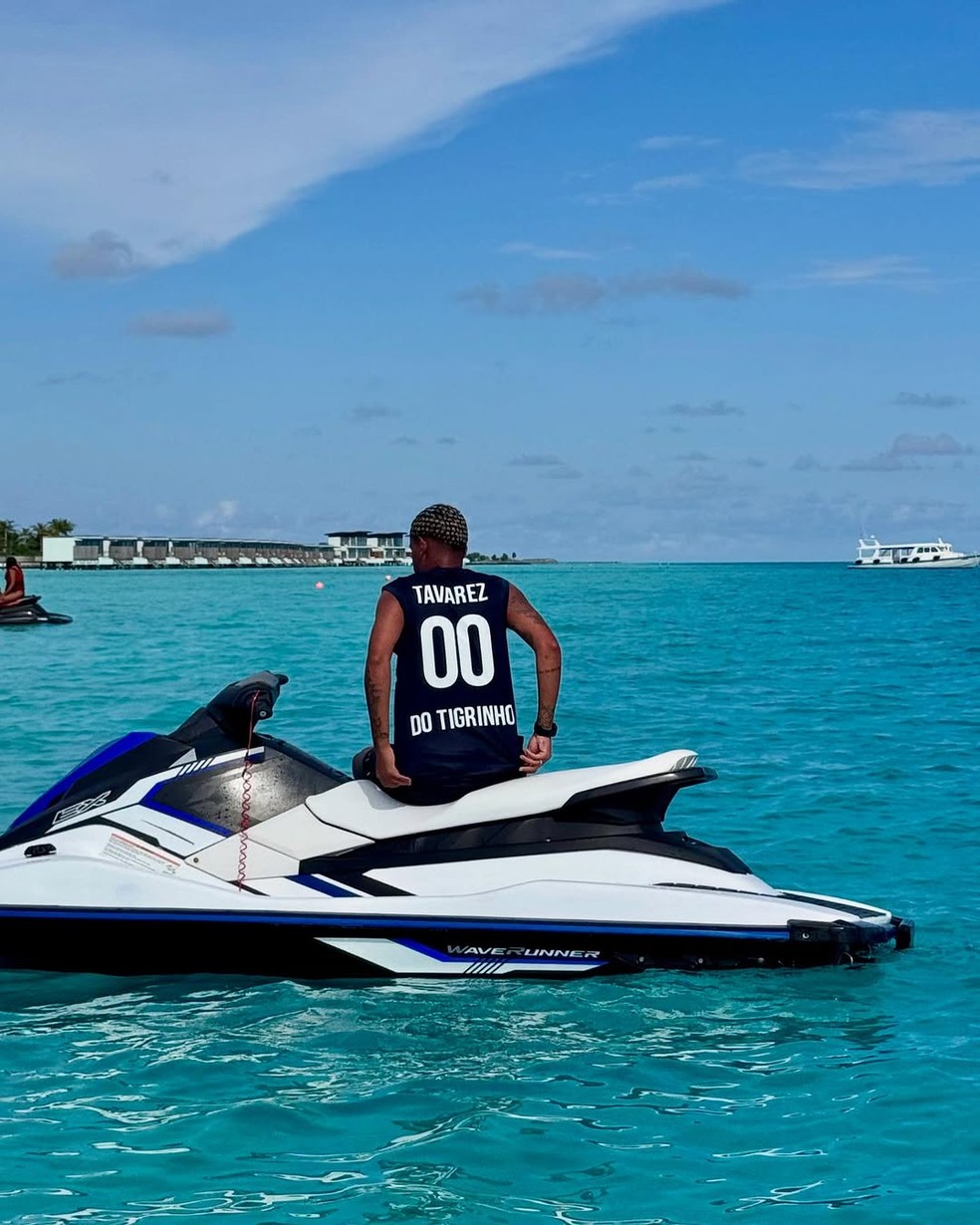
A resident of Bangu, in Rio's West Zone, Fabiano Tavarez earned a living working at a neighborhood supermarket until he was fired and left without income at age 25. The solution to his financial difficulties arose when his brother was approached online by a Chinese woman with an offer: to become a promoter for the "Jogo do Tigrinho" (Little Tiger Game) platforms. The former shop assistant's routine began to include luxurious outings and trips abroad paid for by the websites and showcased on social media—in 2024 alone, he visited London, Dubai, and the Maldives, where he displayed his new influencer moniker, Tavarez do Tigrinho, on a jet ski, reveals a new report by O Globo about illegal websites.
The recruitment of Brazilians to promote online casinos is one of the main strategies of Tigrinho operators based in Asia. As O GLOBO showed this Sunday, the platform — a kind of digital slot machine — has become a vector for fraud in Brazil originating from countries such as Singapore, Myanmar, and China itself. Although the game itself is not illegal, the scammers operate clandestinely and can both tamper with the system to reduce the chances of winning and prevent the withdrawal of funds, retaining the victims' money.
Influencers are the magnet for new customers. Agreements with platform managers are made informally, via social media. The most common model rewards the promoter for each pre-established number of registrations they attract, or guarantees a fraction of the value spent on recharges on the site. Tavarez says he receives up to R$ 5 per month, but has even managed to earn R$ 35 at once.
"When you stand out, other managers (of Tigrinho's platforms) get in touch," says the young man, who claims not to fear legal problems because of his activity. "I pay my taxes. I do everything right so I don't have any problems. Many people create things that don't exist, they set schedules (when it would be easier to earn money) to deceive people. If you work properly, nobody bothers you."
'They are emerging'
For those investigating illegal schemes linked to Tigrinho, the commission-based arrangement ensures the business's reach. It's possible to find profiles with fewer than five thousand followers promoting platforms and participating in lavish trips and parties. Tavarez is followed on Instagram by just under one hundred thousand people—still far from major influencers who operate in the millions.
— They are emerging figures, people who were from more marginalized backgrounds and are experiencing upward mobility. One of our suspects owned a clothing store and saw gambling as a new niche. Another was already a humor influencer and began using that skill to engage the public (in betting) — points out Detective Lucimério Campos, from the Civil Police of Alagoas, highlighting the large female presence in the field.
Tavarez claims to show his followers the wins and losses he records in the games, without simulating consecutive victories. However, this practice is not necessarily the rule. Operation Game Over, led by Detective Campos in Alagoas, uncovered a promoter negotiating R$ 80 to publicize a platform. In a conversation obtained by the police, she asks for a "demo account," which simulates betting, so she doesn't have to lose money.
During the investigation, the report added profiles of influencers in the field. This triggered a daily influx of dozens of messages inviting people to promote gambling. The offers are accompanied by promises of "high salaries" and claims, generally false, that the group is legal in Brazil. To join the scheme, one must contact numbers from locations such as Hong Kong and Taiwan.
The promotion of these platforms also takes place in WhatsApp and Telegram groups. In one of them, with more than 22 members, casino managers tout different guaranteed financial return arrangements, including access to a demo account—one that avoids losses. Thousands of messages are published in a single day.
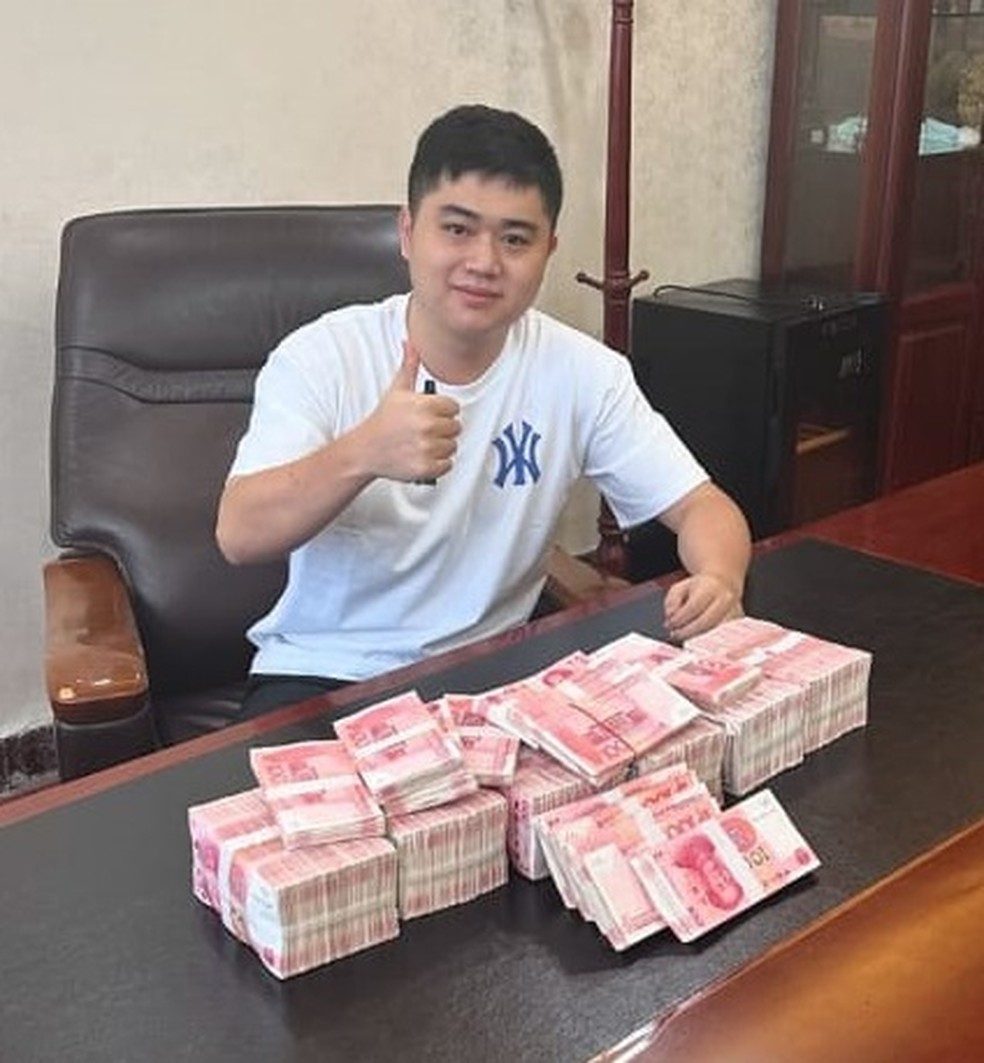
Asians, many with fake profiles, are using translation tools to communicate with Brazilians. One of them identifies himself only as Xiaomai and often shares photos with wads of cash and gold chains or behind the wheel of a Mercedes. Contacting him through a foreign number leads to an automated message in Portuguese stating that he launches “four to six platforms every week” and citing a “cooperation model” with a salary of “50% of the amount” obtained in deposits. Xiaomai did not respond to further requests for clarification.
Investigators believe that ostentation is central to promoting the scheme. However, it doesn't always involve expensive cars and luxury. “It may not be much for some people, but for a mother of three children, it's life. My first washer and dryer was paid for with Tigrinho,” wrote influencer Nanda Oliveira with a photo of herself hugging the appliance. When contacted by GLOBO, she stated that she only promotes betting sites that are “on the list for regulation.”
"They need status to attract an audience. These groups engage in social engineering and develop a type of influencer, generally someone who came from humble beginnings and grew up playing for Tigrinho," explains Detective Márcio Rocha of the Minas Gerais Civil Police, who has conducted investigations into this ecosystem.
The travel and accommodation in destinations such as the Maldives, Thailand, and Finland are fully funded by the owners of the websites. Shared on social media, the events link gambling to social advancement.
"We don't pay anything. We just have to promote it and reach 50% of the goal before we go," summarizes Tavarez, the young man from Bangu.
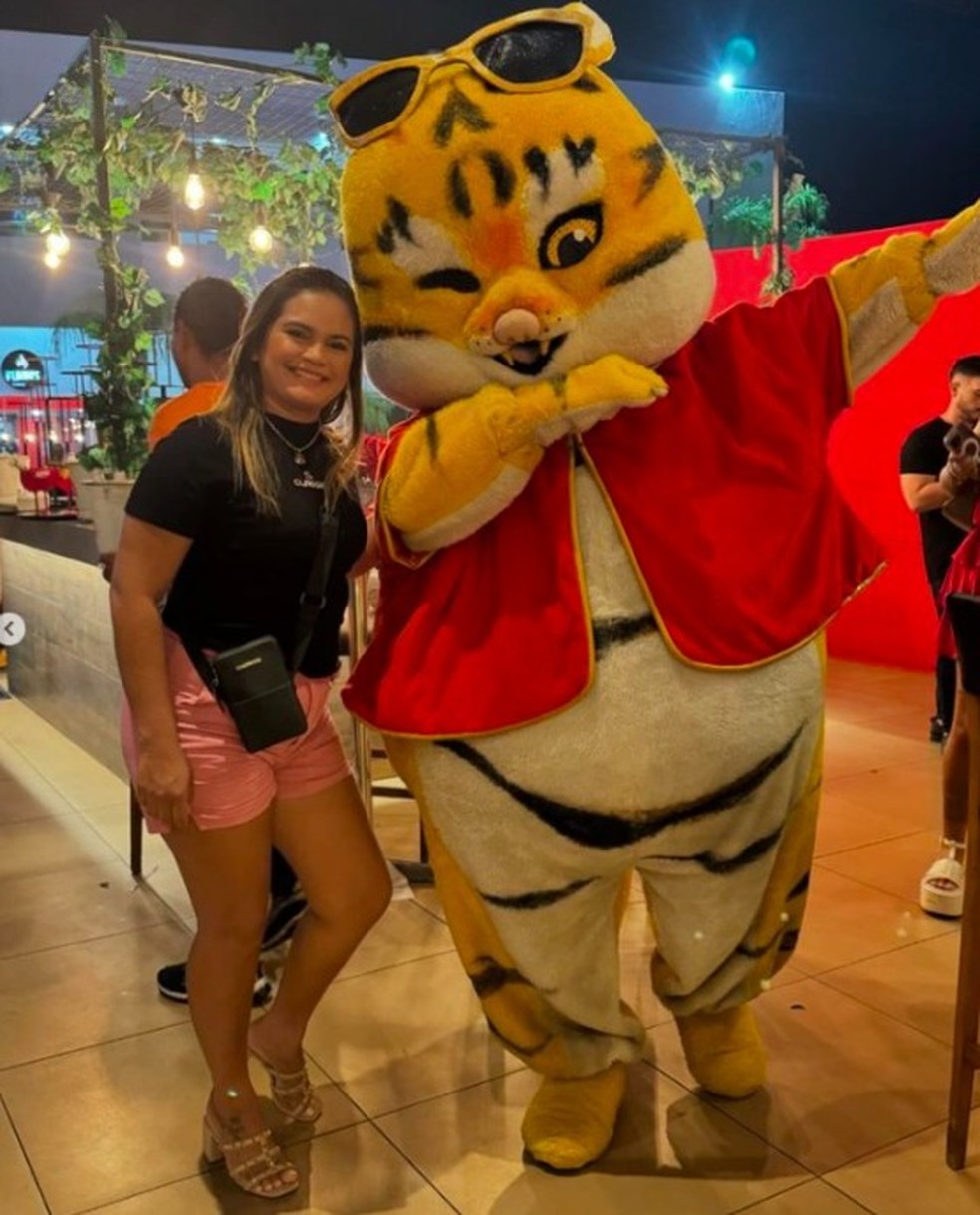
There are less luxurious versions of these agendas, featuring trips to destinations in Brazil, such as Gramado and Porto de Galinhas, or smaller dinners. In these, influencers even appear alongside people dressed as Tigrinho — as is the case with Mayane Marques, who has just under 17 followers on Instagram. “Look who I found here. I'm going to have the letter released to you,” she wrote, before blocking the reporter after being contacted about her activities.
Many posts are set to a funk song that has become a kind of informal anthem for the category: “The one who gets you, who supports you, sponsors you this way/It’s not the old man on the boat, it’s the kids from the platform,” says the lyrics by MCs N10 and Theu Cba. Other hits follow the same line, fueling the mystique of betting sites. On the 17th, funk singer Oruam and sertanejo singer Zé Felipe, who together have 15 million monthly listeners on streaming platforms, released the collaboration “Dinheiro do tigrinho” (Little Tiger's Money), with direct mention of supposed earnings from the platforms.
'Big boss' in Dubai
The influencers' connection with Tigrinho doesn't always end with advertising. After the Ministry of Finance announced measures to regulate the sector, LG Grupo reported that it had begun the process of obtaining an operating license in the country. However, the CNPJ (Brazilian tax ID) displayed on social media belonged to another company: Luck Gaming Ltda., which already has government approval to operate.
"We found out when one of the affected bettors contacted us, asking for a refund of their balance," says Lincoln Pinto, partner at Luck Gaming. "We go through the regulations, and even so, the player is subject to this. Imagine if there were no regulations? They would be unprotected."
Days after the denial on social media, LG Grupo presented another CNPJ (Brazilian company registration number): that of Luck Games Soft, registered in São Paulo on September 26th under the name of Hudson Castro de Sousa. That same week, a delegation of Brazilians arrived in Dubai to meet with members of the Chinese group.
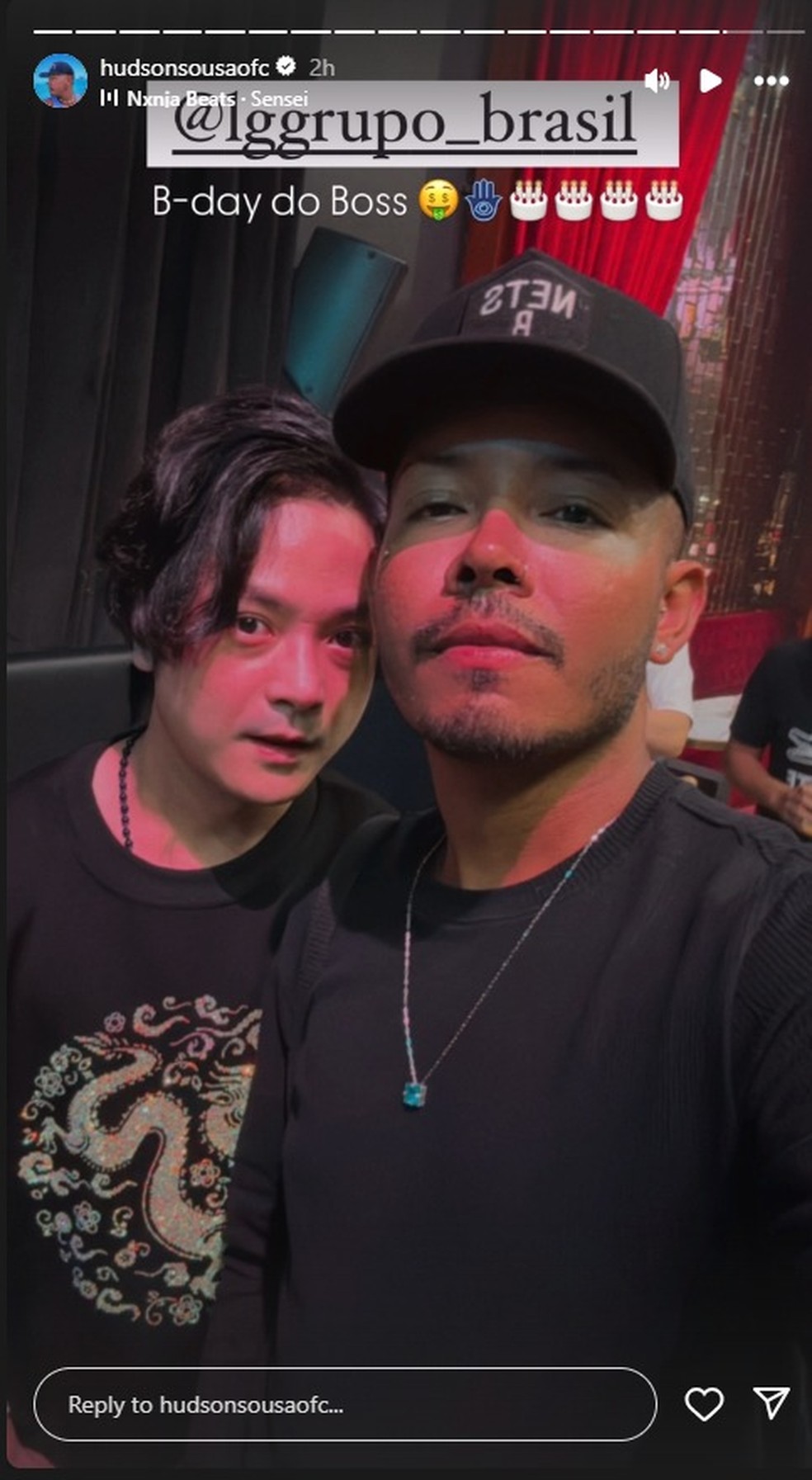
Among them was influencer Hudson Sousa, who promotes betting sites daily to 16 followers. On Instagram, he and his travel companions documented their routine alongside their Asian "bosses," which included a dinner at the "big boss's" house.
Luck Games Soft has begun using the fact that it has a CNPJ (Brazilian tax ID) in Brazil and has requested authorization from the Ministry of Finance as proof of its legitimacy. However, the authorization has not yet been granted, and its mode of operation remains far from the rules established by the ministry. The government has stipulated, for example, a maximum of three platforms per company, while the Chinese group has dozens of active websites simultaneously, with constant releases. O GLOBO contacted Luck Games by email and through Hudson's Instagram profile, but received no response.

